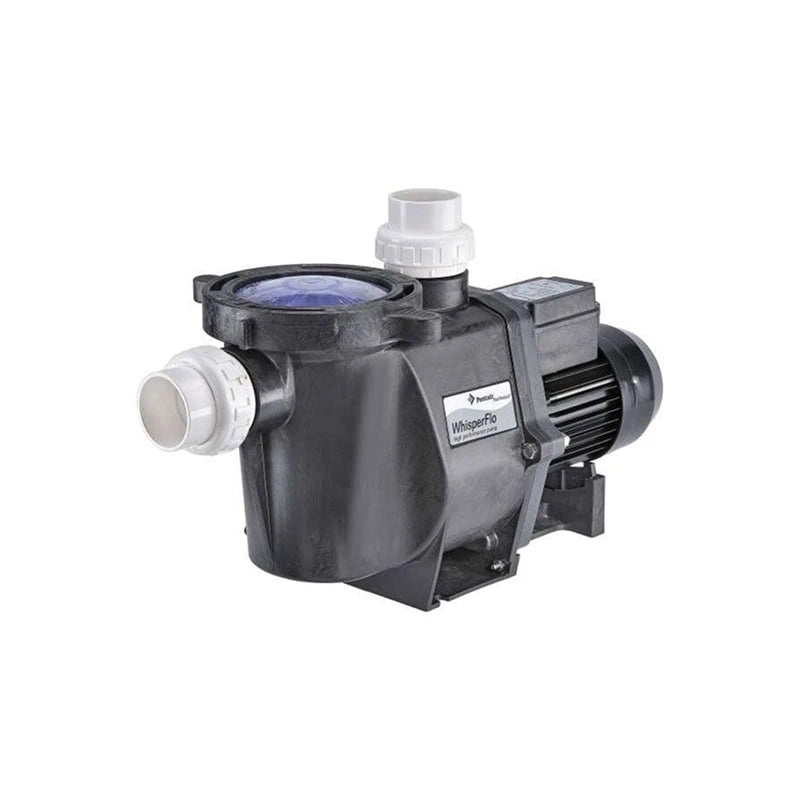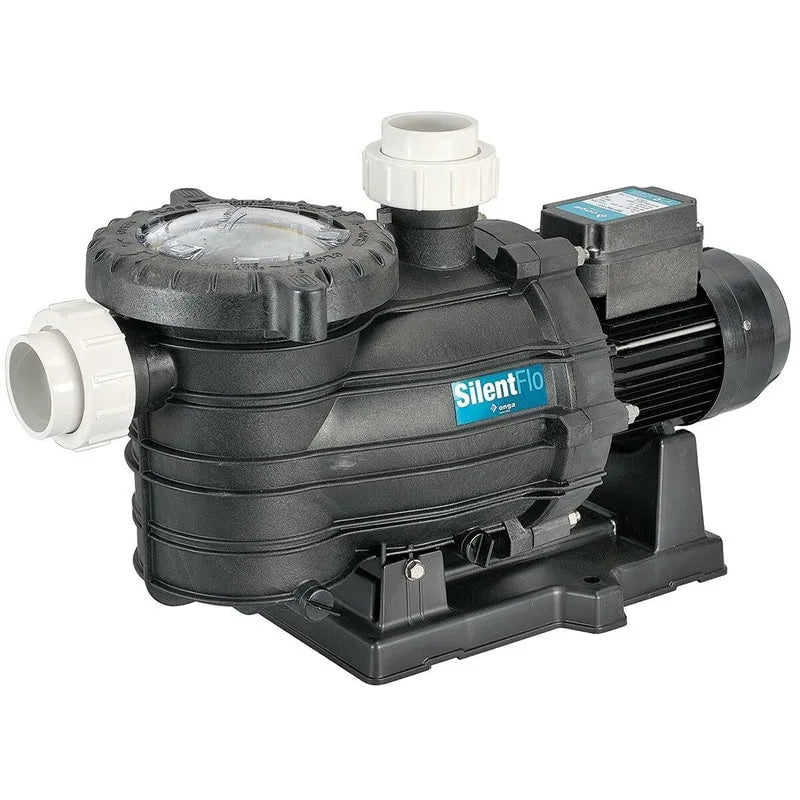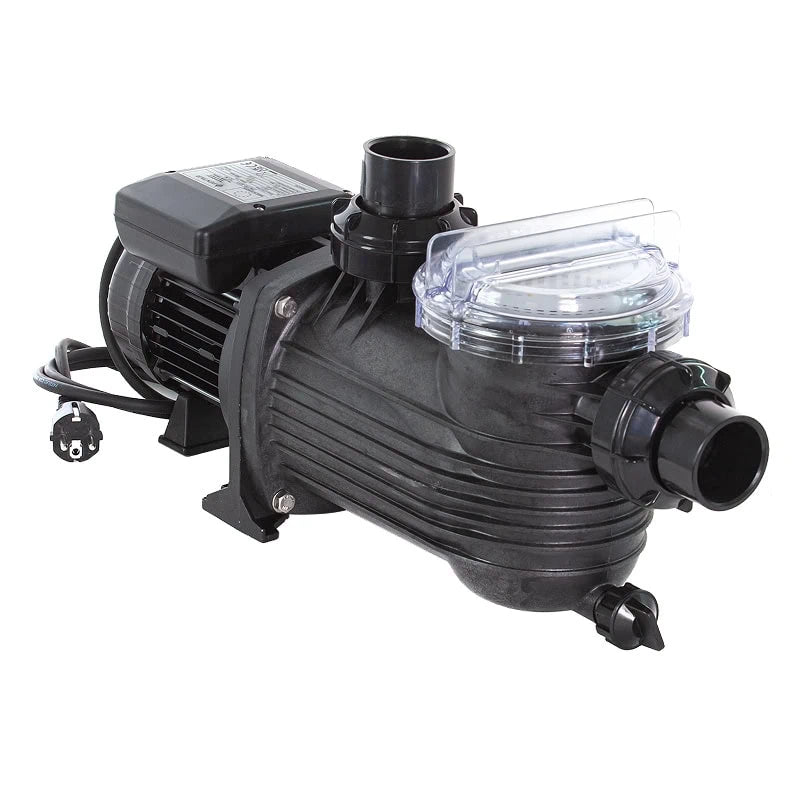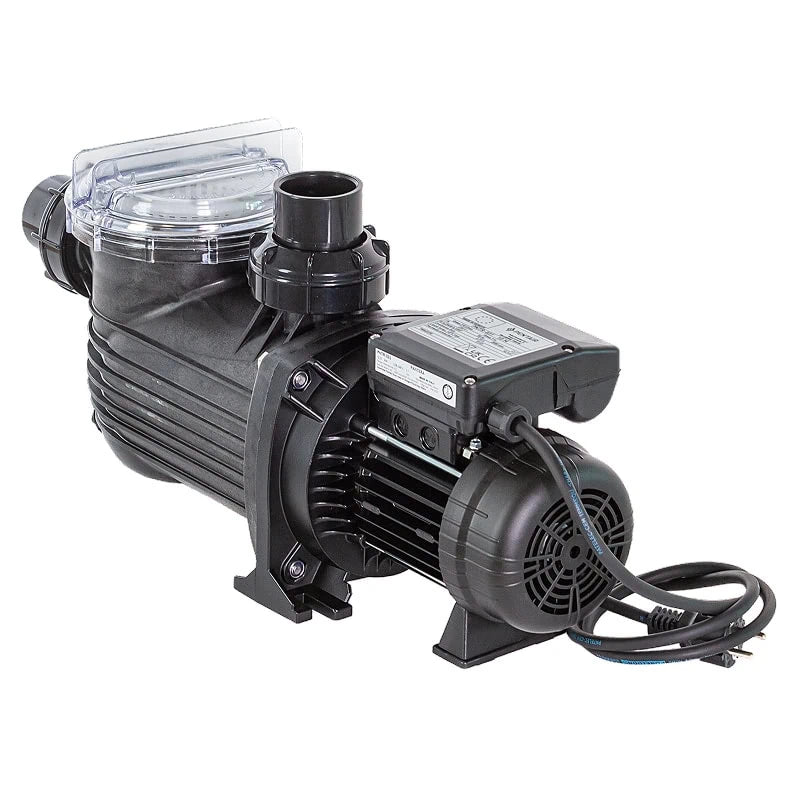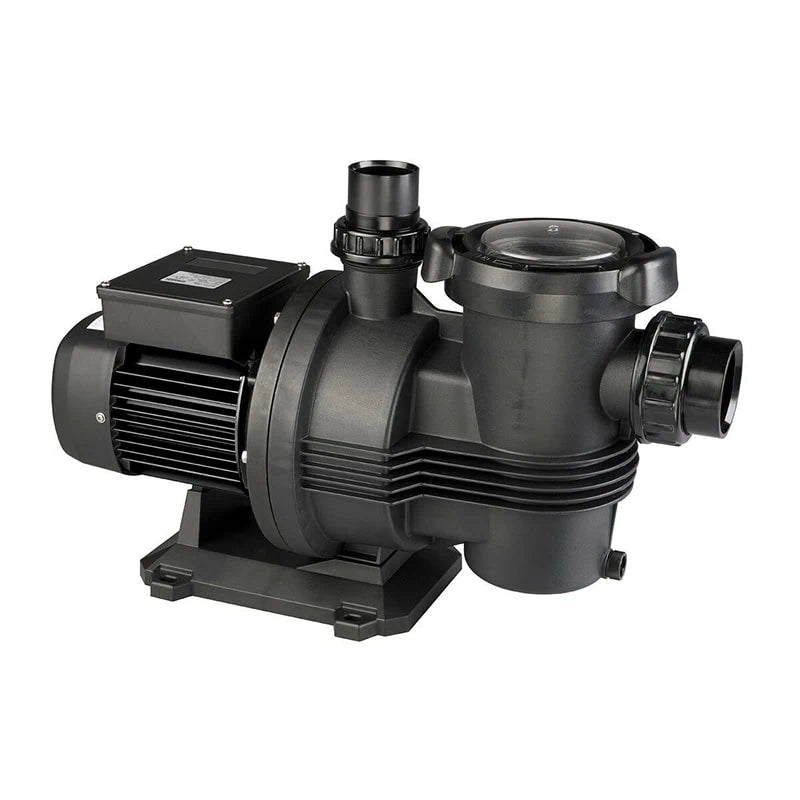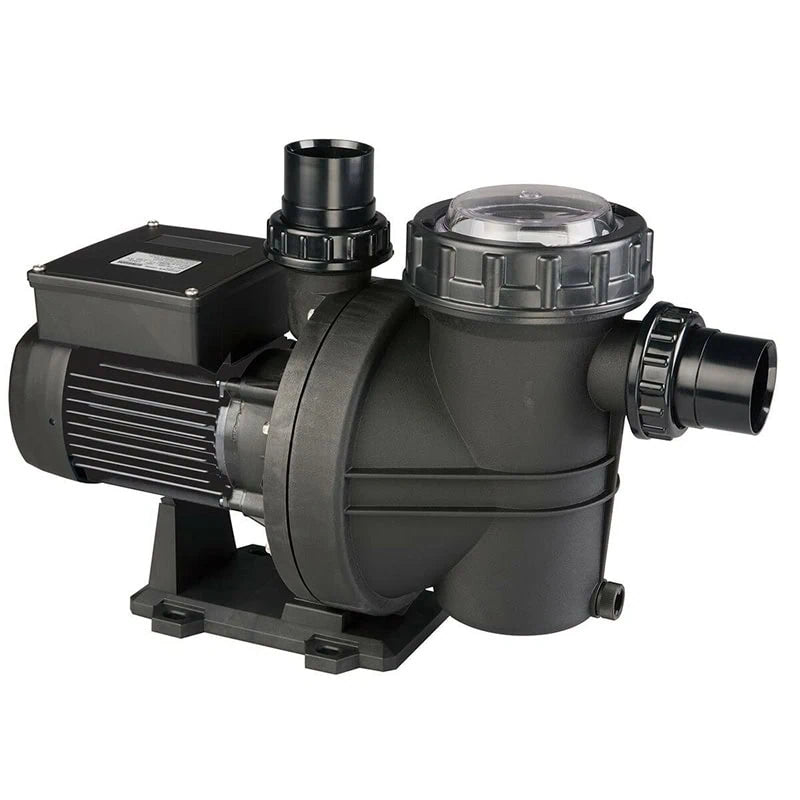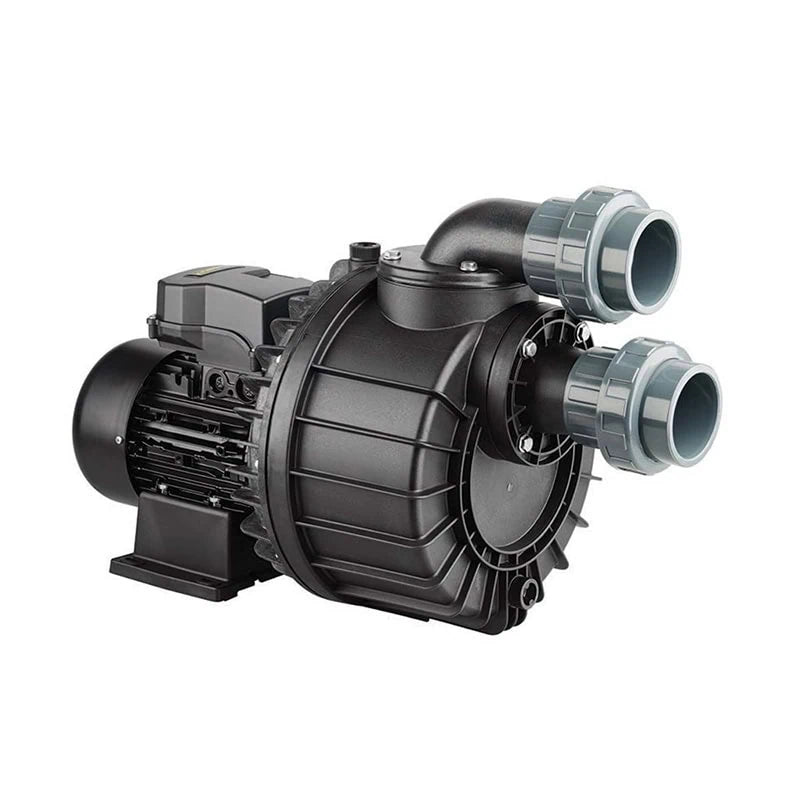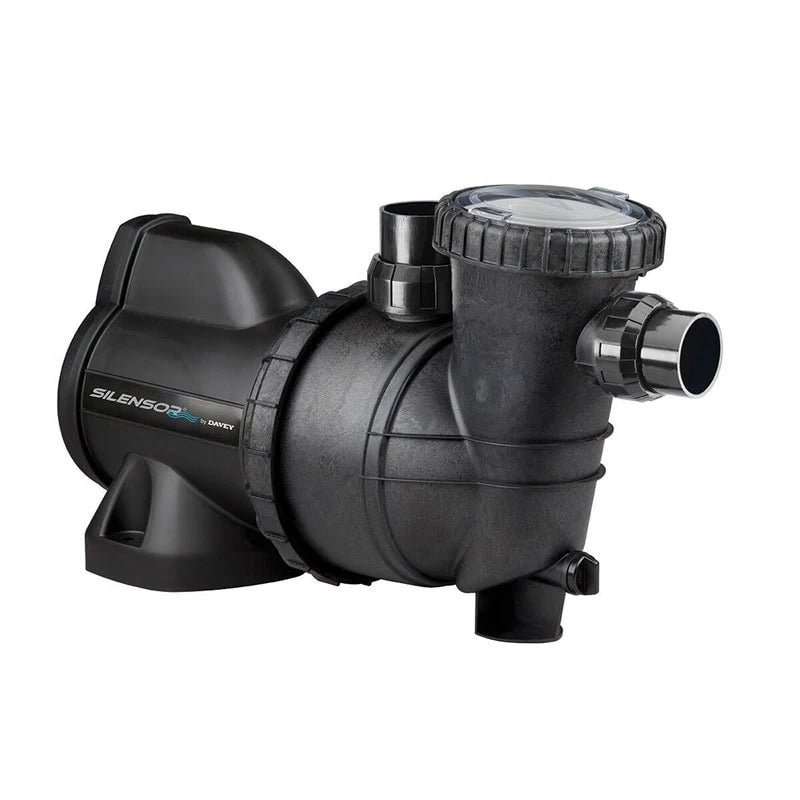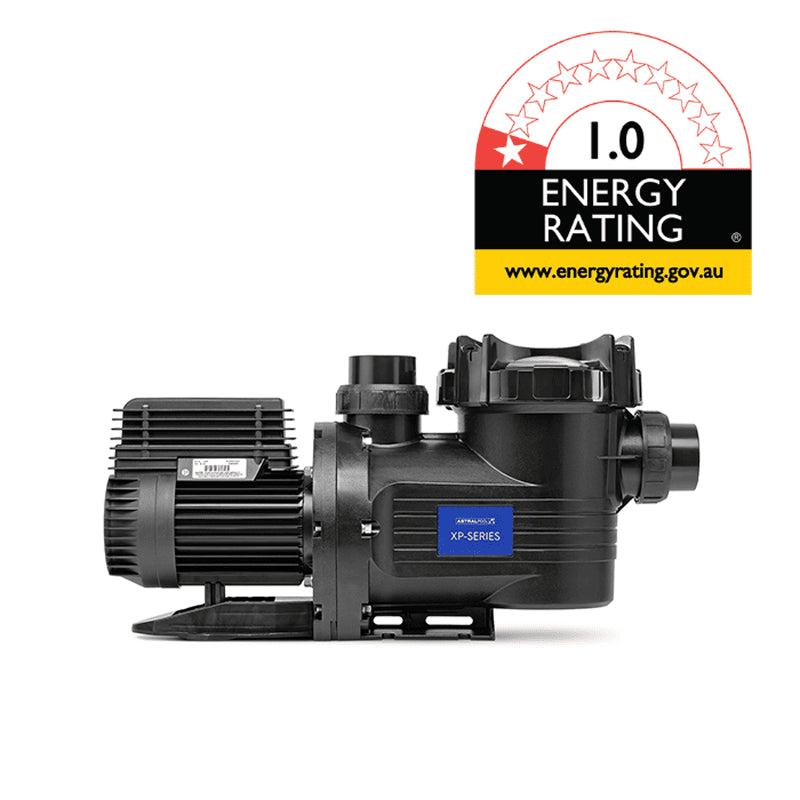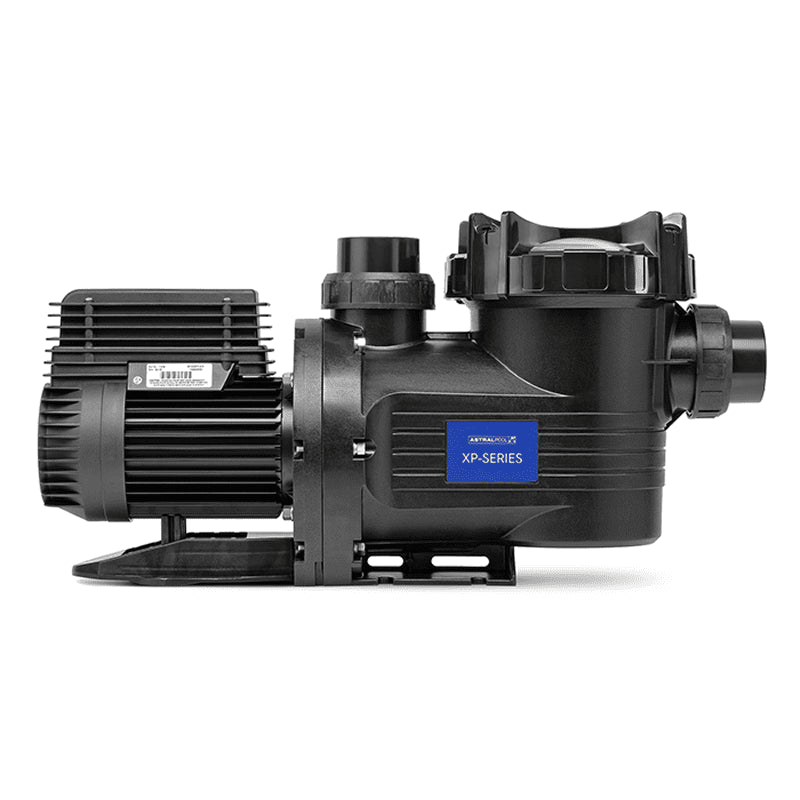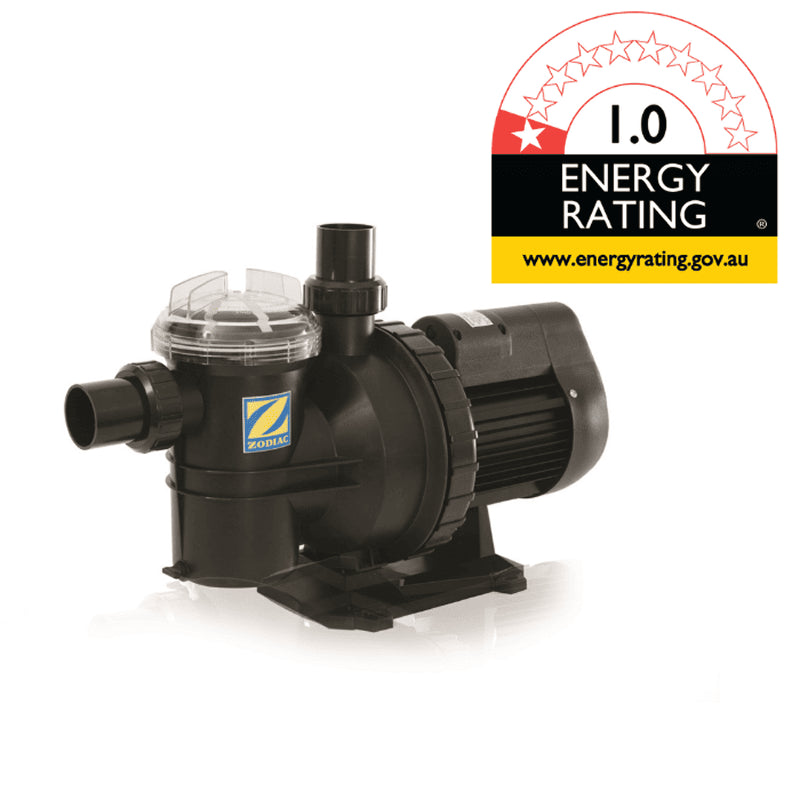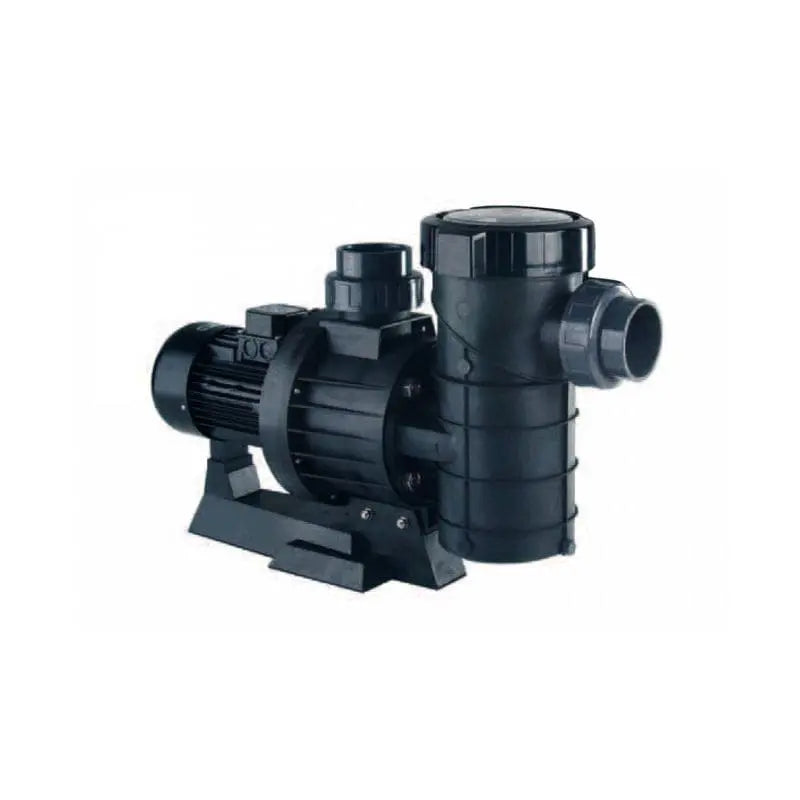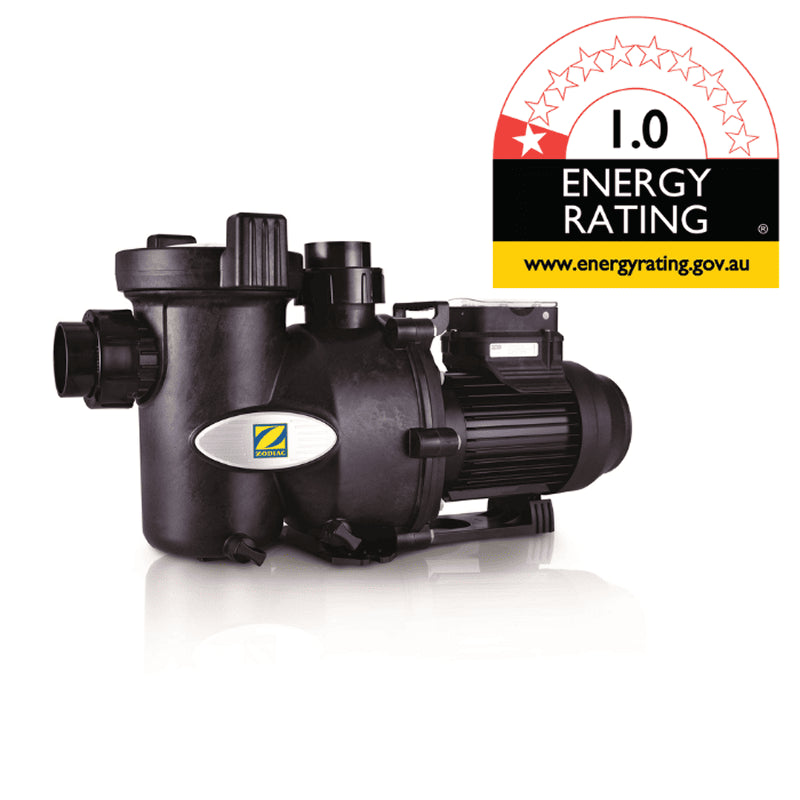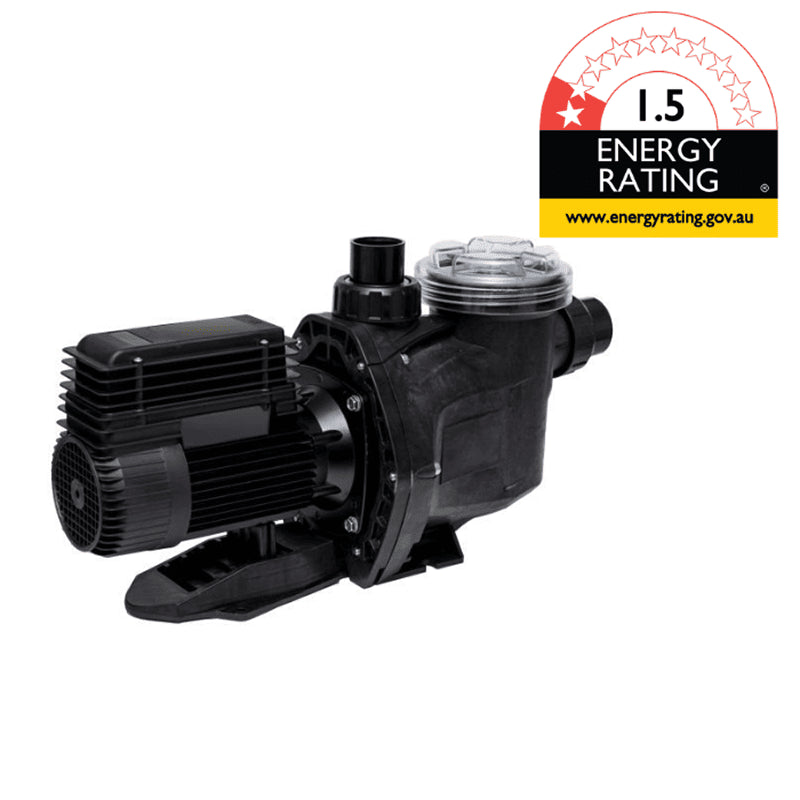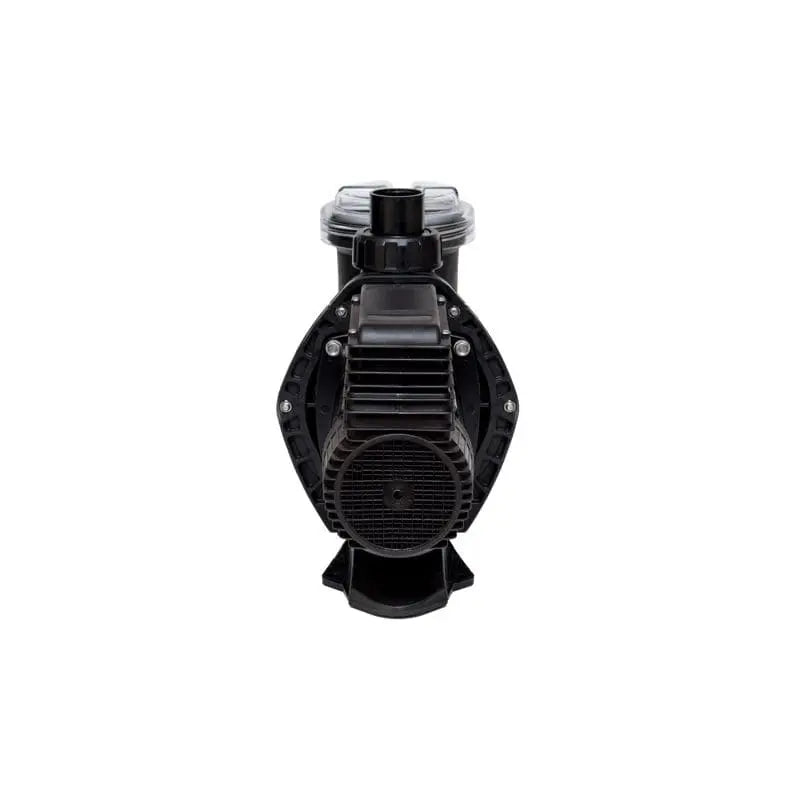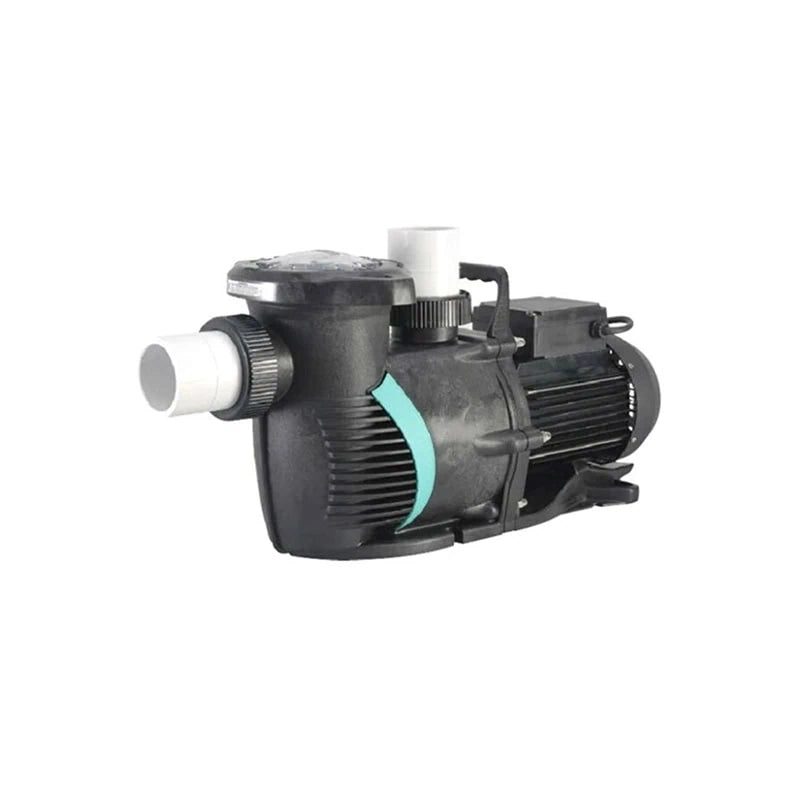
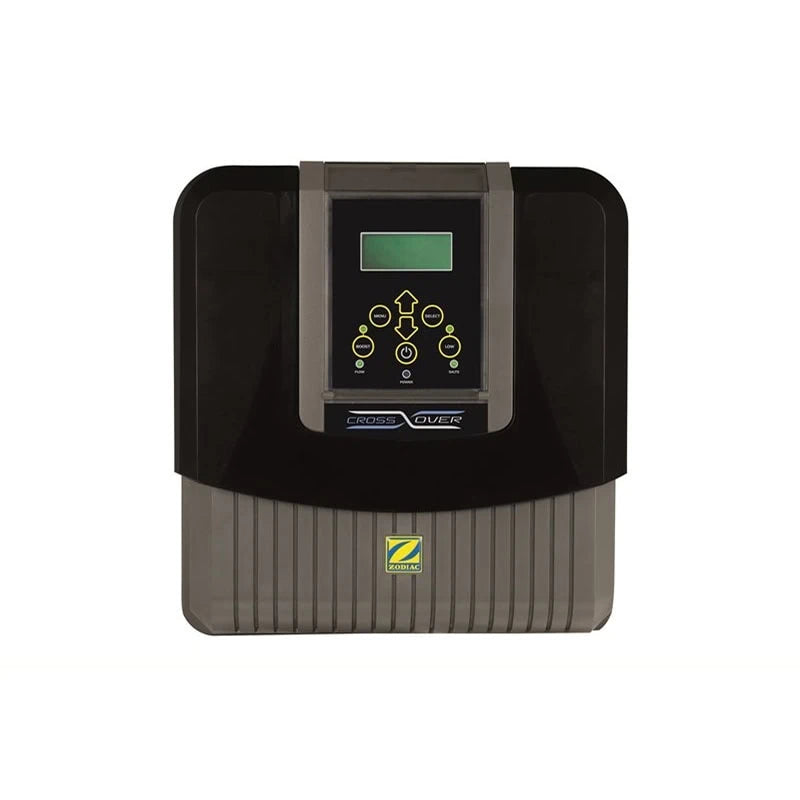


Single Speed Pumps
47 products


47 products
If you have a pool or are a homeowner trying to understand your pool’s equipment, you’ve probably heard of single speed pool pumps. We'll explain everything you need to know about single speed pumps, including how they work, their benefits and drawbacks, and how they compare to variable speed pumps.
Single speed pumps, often referred to as single speed swimming pool pumps, are one of the most common types of pool pumps on the market. These pumps operate at a fixed speed, often set by the motor's design. When turned on, they run at full capacity until you switch them off.
They are named "single speed" because the motor spins the impeller at just one consistent speed. This pump design has been the standard for decades, offering simplicity and reliable performance.
They are commonly used across a wide range of pool types, especially in setups like above ground pools where simplicity and cost-effectiveness matter most.
👉 If you’re looking for a simpler and more affordable option compared to variable speed pool pumps, single speed models are still a popular choice.
👉 These pumps are often ideal for smaller setups such as small pools, where high power and advanced controls are not required.
While single speed pool pumps have been the industry standard for years, they are gradually being replaced by more energy-efficient options.
Like any technology, single speed swimming pool pumps come with their own set of benefits and drawbacks. Here's a closer look at what you can expect when using this type of equipment.
|
Pros: |
Cons: |
|
|
Single speed pool pumps are powered by an electric motor, which drives the impeller. The impeller creates centrifugal force that pushes water through the system.
Prime the Pump: Single speed pumps pull water into the system through the skimmer and main drain.
Circulate Water: Inside the pump, the water is pushed through the filtration system to remove debris and impurities.
Return Flow: The cleaned water is returned to the pool via return jets.
The motor runs at a fixed speed, delivering a consistent flow rate. While reliable, this means the pump continues running at full capacity even when lower output would be sufficient.
👉 For most residential setups, common options include 1.0 HP pool pumps which balance performance and cost.
On average, single speed pool pumps last between 5 and 10 years, depending on maintenance, usage, and build quality.
Proper care can extend lifespan significantly, while neglect can shorten it.
Keep it clean: Regularly remove debris that could clog the pump.
Monitor water quality: Balanced pool water reduces strain on the pump.
Perform routine maintenance: Check seals and bearings for wear, and replace parts as needed.
Avoid unnecessary runtime: Only operate the pump when required to circulate water and maintain pool cleanliness.
👉 If you’re running longer cycles or managing larger systems, it may be worth considering pumps designed for inground pools for better long-term efficiency.
Single speed pumps are still a solid option for many pool owners, especially if you prioritise simplicity and lower upfront cost.
They are best suited for:
However, if you're looking for long-term energy savings and quieter operation, upgrading to a variable speed pump may be a better investment.

Enjoy peace of mind with service that shows up — not just signs off.
Real support, real experience — from sale to splash.
Take control of your build with everything you need, delivered.