


What Is a Plunge Pool?

A plunge pool is a compact swimming pool designed for cooling, relaxing, and light exercise rather than lap swimming. It’s ideal for small backyards, costs less to run than full-sized pools, and can be upgraded with heating and jets for year-round use. If you value space efficiency and low maintenance over swimming distance, a plunge pool is often the smartest choice.
Not every backyard needs a 10-metre swimming lane. Not every homeowner wants heating bills, endless vacuuming, and half the garden sacrificed to water. That’s where plunge pools come in.
They’re compact, efficient, and surprisingly versatile. But they’re also misunderstood. A plunge pool isn’t just a “tiny version” of a big pool. It’s a different philosophy of backyard design.
Key Takeaways
- A plunge pool is a compact pool built for immersion, not lap swimming
- Ideal for small backyards and urban blocks
- Lower installation and running costs than full-sized pools
- Easier to heat and maintain due to lower water volume
- Available in fibreglass and concrete
- Best suited for relaxation-focused lifestyles
- Can be integrated into modern DIY pool kits for streamlined installation
So What Is a Plunge Pool?
A plunge pool is a compact, small-depth swimming pool designed primarily for cooling off, relaxing, and light exercise rather than full-length swimming. It typically measures between 2–5 metres in length and is deeper than a spa but smaller than a traditional pool.
Unlike large family pools, plunge pools focus on immersion and refreshment, not distance swimming.
Why Plunge Pools Are Popular
Plunge pools are popular because they offer the enjoyment of a pool without the footprint, cost, and maintenance demands of a full-sized swimming pool.
They fit:
- Narrow blocks
- Courtyards
- Inner-city homes
- Smaller suburban lots
💡But popularity isn’t just about size. It’s also about modern living. People want usable outdoor spaces, not oversized installations they maintain more than they enjoy.
What Is a Plunge Pool Used For?
A plunge pool is used for cooling off, relaxation, hydrotherapy, and low-impact exercise rather than lap swimming.
Common uses include:
- Beating summer heat
- Post-workout recovery
- Entertaining guests
- Compact family splashing
- Aesthetic landscaping feature
💡With heating, a plunge pool can function year-round. With jets, it becomes almost spa-like. With good design, it becomes the visual anchor of a backyard.
Plunge Pool Features & Customisation Options
Plunge pools can include heating, jets, seating benches, lighting, automation systems, and premium finishes similar to full-sized pools.
Modern plunge pools often feature:
- Built-in seating or ledges
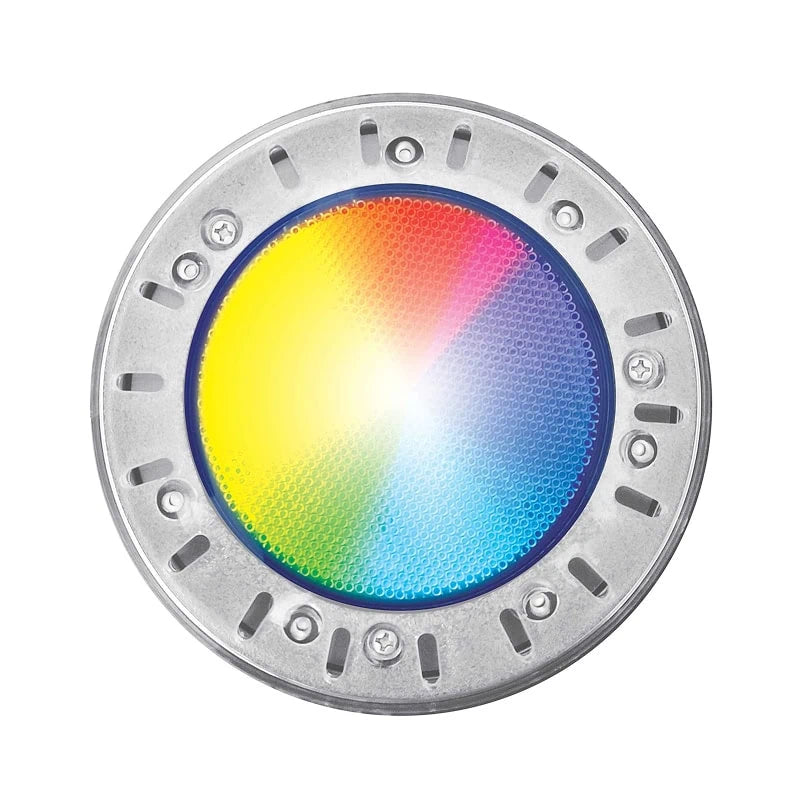
- LED lighting
- Water features
- Glass or tiled finishes
- Integrated spa jets
- Heating systems
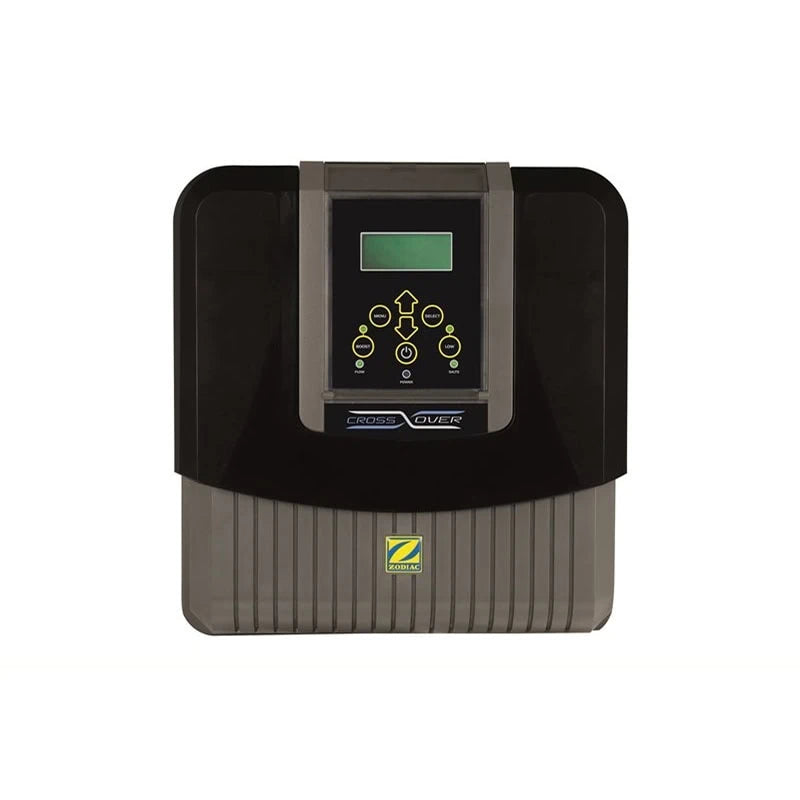
- Automated filtration
Because the water volume is smaller, upgrades like heating are far more energy-efficient compared to large pools.
💡Expert insight: A heated plunge pool is often more usable across the year than an unheated large pool.
Types of Plunge Pools
Plunge pools come in fibreglass, concrete, and precast forms, each offering different levels of customisation and installation complexity.
Fibreglass Plunge Pools
- Pre-moulded
- Fast installation
- Smooth surface
- Lower maintenance
Concrete Plunge Pools
- Fully custom shapes
- Premium finishes
- Longer build time
Choosing the type depends on design freedom, budget, and timeline.

Plunge Pool vs Spa vs Lap Pool – What’s the Difference?
A plunge pool is larger than a spa but smaller than a lap pool, designed for immersion rather than distance swimming.
|
Feature |
Plunge Pool |
Spa |
Lap Pool |
|
Size |
Small |
Very small |
Long & narrow |
|
Primary Use |
Cooling & relaxing |
Hydrotherapy |
Fitness swimming |
|
Heating |
Optional |
Usually heated |
Optional |
|
Depth |
Moderate |
Shallow to mid |
Variable |
|
Maintenance |
Moderate |
Low–Moderate |
Higher |
If you want:
- Fitness → Lap pool
- Therapy & hot water → Spa
- Compact all-rounder → Plunge pool
Are Plunge Pools Suitable for Small Backyards?
Yes, plunge pools are specifically designed for small backyards and narrow lots where a full-sized pool would dominate the space.
They allow:
- Retention of lawn space
- Decking or entertaining areas
- Better landscaping balance
In tight urban blocks, plunge pools often create a more proportional and modern outdoor layout.
Pros and Cons of a Plunge Pool
Plunge pools offer space efficiency and lower running costs but limit swimming distance and capacity.
|
Pros |
Cons |
|
Lower installation cost |
No lap swimming |
|
Lower running costs |
Limited capacity |
|
Easier to heat |
Not suitable for diving |
|
Requires less water |
Can feel restrictive for serious swimmers |
|
Fits small blocks |
Less play space for large families |
The cons depend entirely on how you plan to use it.
Who Should (and Shouldn’t) Get a Plunge Pool?
A plunge pool suits homeowners who prioritise relaxation, cooling, and space efficiency over long-distance swimming.
Good fit for:
- Small blocks
- Couples or small families
- Urban homes
- People wanting low maintenance
Not ideal for:
- Competitive swimmers
- Large families wanting play space
- Those wanting diving depth
Plunge pools are about smart design, not compromise.
What Is a Plunge Pool? Small Footprint, Big Impact
A plunge pool isn’t a downgrade. It’s a deliberate choice.
It says:
- “I want usable space.”
- “I value design.”
- “I’d rather swim often than maintain endlessly.”
For many modern homeowners, that’s exactly the right decision.
What Is a Plunge Pool? FAQs
How deep is a plunge pool?
Most plunge pools are between 1.2 and 1.8 metres deep, depending on design and intended use. They are typically deeper than spas but smaller in overall footprint than traditional pools. Depth can vary if hydrotherapy seating or integrated benches are included.
How much does a plunge pool cost in Australia?
Plunge pools in Australia typically cost less than full-sized swimming pools due to their smaller size and lower material requirements. Installation costs vary based on construction type (fibreglass or concrete), site access, heating, and custom features. Ongoing running costs are also lower because of reduced water volume.
Are plunge pools expensive to maintain?
No, plunge pools are generally cheaper to maintain than larger pools. They require fewer chemicals, less filtration time, and lower heating costs due to their compact size. However, proper circulation and consistent testing are still essential to prevent water quality issues.
Can you heat a plunge pool?
Yes, plunge pools can be heated using heat pumps, gas heaters, or solar systems. Because they contain less water, they heat faster and cost less to maintain at a consistent temperature. Many homeowners choose heating to extend usability throughout the year.
Is a plunge pool big enough to swim in?
A plunge pool is suitable for cooling off and light movement but not for lap swimming. It is designed primarily for relaxation, hydrotherapy, and small-group use rather than fitness training. If lap swimming is a priority, a lap pool may be more appropriate.
Are plunge pools suitable for small backyards?
Yes, plunge pools are specifically designed for compact or narrow outdoor spaces. They fit well in courtyards, urban blocks, and modern landscaping layouts without dominating the entire yard. Their smaller footprint allows more flexibility for decking and entertaining areas.
What is the difference between a plunge pool and a spa?
A plunge pool is larger and typically unheated, while a spa is smaller and designed for heated hydrotherapy. Plunge pools focus on cooling, relaxation, and light swimming, whereas spas emphasise jets and therapeutic seating. Some plunge pools can include heating and jets to combine both functions.

Pool Tools Team
We’re here to share expert advice, practical tips, and clear guides to help you choose, build, and maintain your pool with confidence. From fibreglass shells to everyday equipment, we make pool care simple.