


How to Maintain a Pool

Maintaining a pool isn’t complicated — it’s about consistency. Skim daily, test and balance water weekly, clean your filter when pressure rises, and adjust maintenance by season. Stay on top of pH, chlorine, and alkalinity, and most pool problems never happen in the first place.
Owning a pool should feel like a luxury — not a second job.
The truth is, most pool problems don’t come from complicated chemistry. They come from inconsistency. Skip a few days in summer, ignore a filter that’s working harder than it should, forget to test after a storm — and suddenly you’re Googling “why is my pool green again?”.
The good news? Pool maintenance isn’t difficult. It’s rhythm. Once you understand what matters daily, weekly, and seasonally, it becomes automatic.
Let’s break it down into something realistic.
Key Takeaways
- Pool maintenance is about routine, not complexity
- Skim and visually check your pool daily (5–15 minutes)
- Test and balance chlorine, pH, and alkalinity weekly
- Clean or backwash the filter when pressure rises 8–10 psi
- Brush walls and steps weekly to prevent invisible algae buildup
- Fix alkalinity before adjusting pH for stable chemistry
- Adjust maintenance frequency in summer and after storms
- Most cloudy or green pool issues are caused by inconsistent filtration or neglected chemistry
- A simple log of test results prevents overcorrecting and wasted chemicals
- Consistency saves more money than reactive chemical dumping
Essential Pool Maintenance Tools & Supplies
Before you talk chemicals, talk equipment. Maintenance is easier when you’re properly set up.
You’ll want:
- Reliable water testing kit (liquid test kits > strips)
- Telescopic pole
- Skimmer net
- Pool brush (matched to your surface type)
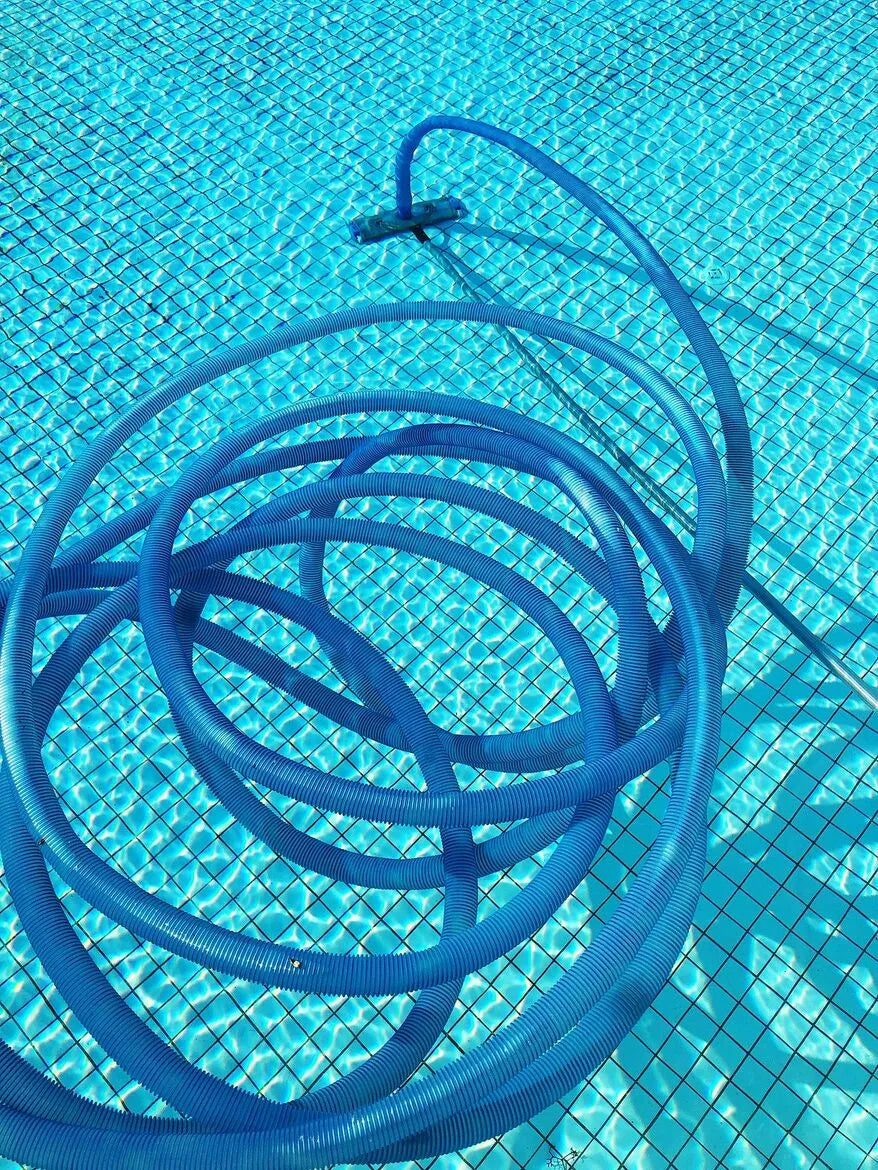
- Vacuum (manual or robotic)
- Filter pressure gauge that actually works
- Quality pool chemicals (chlorine, pH adjusters, alkalinity buffer, stabiliser)
💡Expert tip: Cheap test kits cost more in the long run because they lead to over-correcting chemistry.
Daily Pool Maintenance Tasks (5–15 Minutes)
If you only do one thing consistently, make it this.
1. Skim the surface
Leaves and debris break down quickly and consume chlorine.
2. Check water level
Low water stresses pumps. High water reduces skimming efficiency.
3. Quick visual check
Is the water clear? Is flow strong? Any unusual sounds from equipment?
4. Empty skimmer basket (if needed)
Blocked baskets reduce circulation.
💡That’s it. Five to fifteen minutes saves hours later.

Weekly Pool Maintenance Tasks (15–30 Minutes)
This is where you prevent problems before they grow teeth.
Test and balance water
Check:
- Chlorine
- pH (7.2–7.6 ideal)
- Total alkalinity (80–120 ppm)
- Stabiliser (CYA)
Adjust gently. Never dump everything at once.
Brush walls and steps
Even if it looks clean. Especially if it looks clean.
Algae begins as a film you can’t see.
Vacuum the pool
Removes fine debris the skimmer misses.
Check filter pressure
If it’s 8–10 psi above clean baseline → backwash or clean.
💡Expert insight: Most cloudy water problems are filtration problems, not chemical problems.
Monthly & Seasonal Pool Maintenance
Once a month, zoom out and inspect the bigger picture.
- Inspect pump lid o-ring
- Check for leaks
- Clean filter more thoroughly
- Inspect pool surface for staining or scaling
- Shock pool if needed (after heavy use or storms)
At season change:
- Deep clean filter
- Inspect heating system
- Adjust pump run times
- Review stabiliser levels before summer
Understanding Pool Water Chemistry
This is where people overcomplicate things. You don’t need to memorise chemical formulas. Just understand the relationships.
Chlorine sanitises
Too low → algae.
Too high → irritation and waste.
pH controls comfort and chlorine efficiency
Too high → cloudy water.
Too low → corrosion.
Alkalinity stabilises pH
Low alkalinity = pH swings.
Stabiliser protects chlorine from sunlight
Too much stabiliser makes chlorine lazy.
💡Pro rule: Fix alkalinity first. Then pH. Then chlorine.

How to Maintain a Pool in Different Seasons
Summer
- Test 2–3 times per week
- Increase pump run time
- Watch chlorine closely
- Expect higher pH drift
Autumn
- Remove debris frequently
- Prepare for falling leaves
- Monitor stabiliser
Winter (mild climates)
- Reduce pump time
- Maintain minimum chlorine
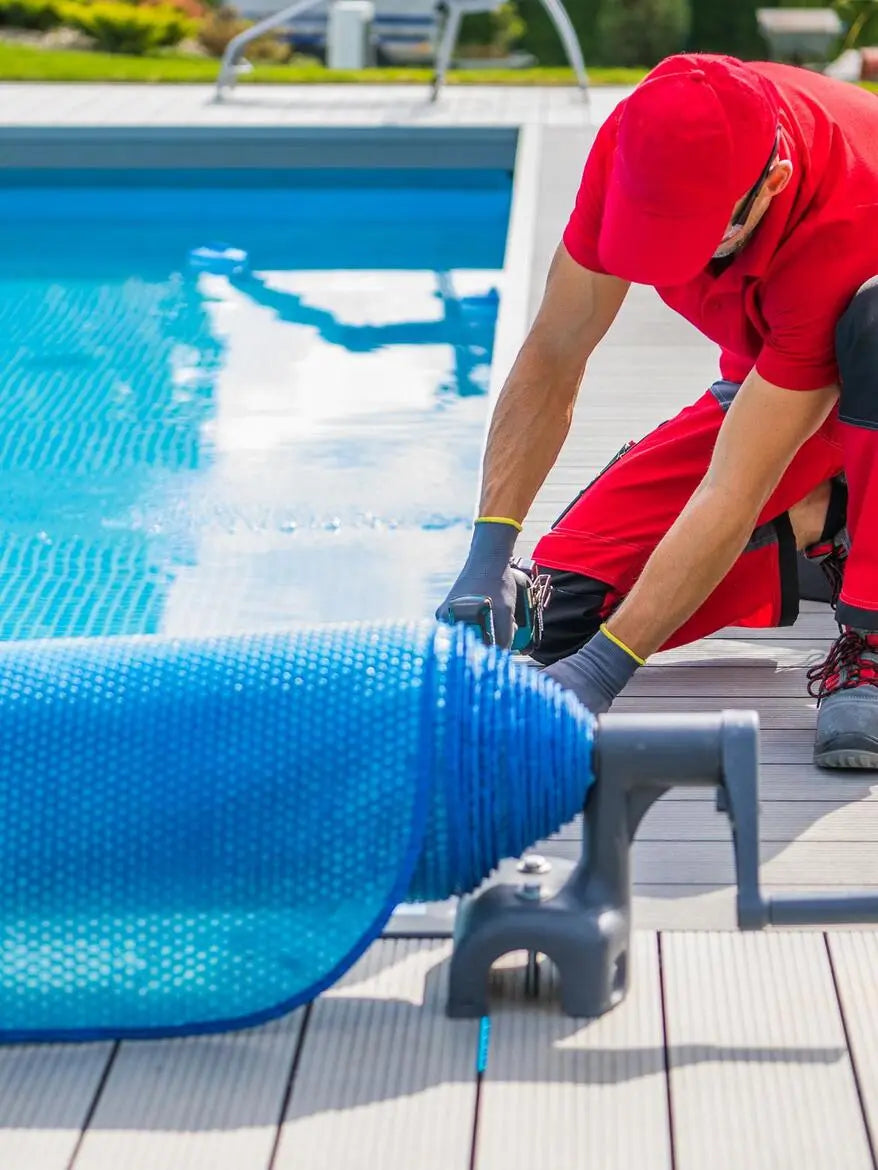
- Cover pool if possible
Storms & Heavy Rain
- Test immediately
- Adjust pH
- Remove debris quickly
💡Expert insight: Most green pools happen after storms, not heatwaves.
Common Pool Maintenance Problems & Solutions
Green water
Low effective chlorine. Fix pH, shock properly, filter continuously.
Cloudy water
Dirty filter or unbalanced chemistry. Check pressure first.
Strong chlorine smell
Usually low chlorine + chloramines. Shock the pool.
Scaling on tiles
High pH or calcium hardness. Balance slowly.
Constant pH drift
Check alkalinity. It’s usually too low.
6 Time-Saving Pool Maintenance Tips
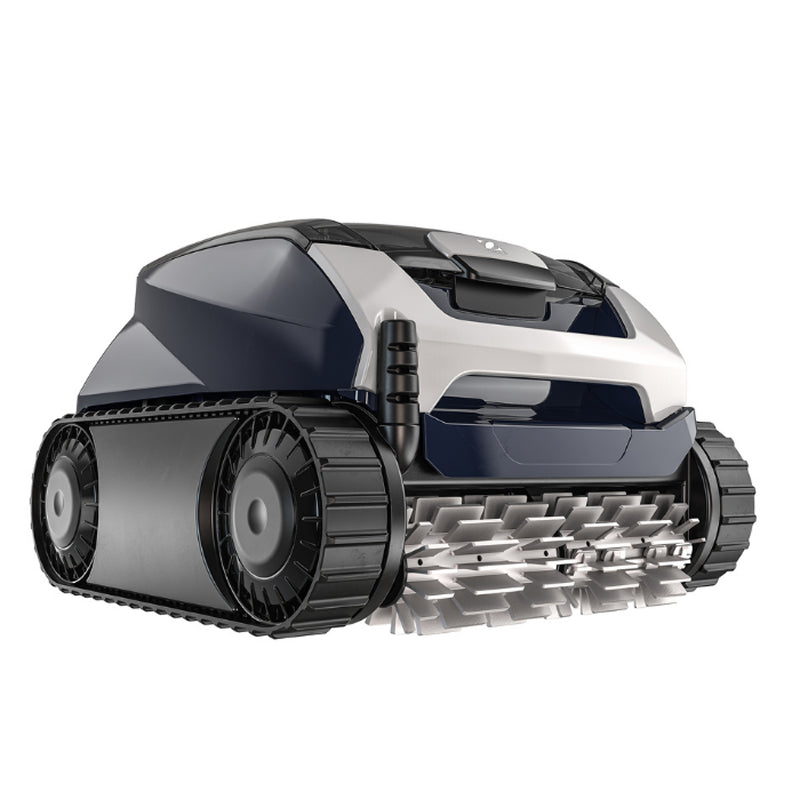
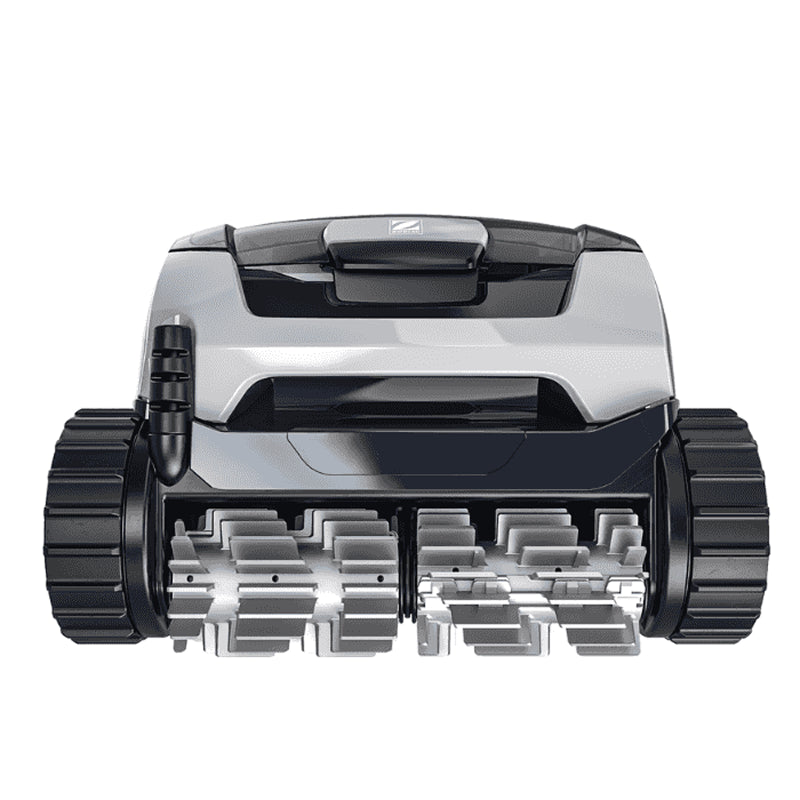
- Use a robotic cleaner if budget allows
- Record clean filter pressure baseline
- Keep a simple testing log
- Store chemicals neatly and clearly labelled
- Set weekly reminders
- Address small issues immediately
Maintenance becomes fast when it becomes routine.
Pool Safety & Chemical Storage Guidelines
Chemicals deserve respect, not fear.
- Store in original containers
- Keep acids separate from chlorine
- Keep dry and shaded
- Never mix chemicals
- Wear gloves when handling
- Add chemicals to water — never water to chemicals
Safety mistakes are almost always impatience mistakes.
How to Maintain a Pool: Keep It Simple, Keep It Consistent
Pool maintenance is about attention. Five minutes daily. Twenty minutes weekly. A little extra at season changes.
Do that, and your pool stays clear, balanced, and inviting — not stressful.
The people who struggle with pool care aren’t the ones who don’t know what to do. They’re the ones who wait too long to do it.
Stay consistent, and your pool becomes what it was meant to be: effortless enjoyment.
💡And if you’re planning a new build or upgrading an ageing system, starting with a well-designed setup makes maintenance dramatically easier. Many homeowners choose DIY pool kits because they simplify both installation and long-term upkeep.
Pool Tools Team
We’re here to share expert advice, practical tips, and clear guides to help you choose, build, and maintain your pool with confidence. From fibreglass shells to everyday equipment, we make pool care simple.