




How to Heat Your Swimming Pool

Heating your swimming pool extends the season and makes it genuinely usable — but the right system depends on how often you swim, your climate, and how well you retain heat. Heat pumps are the most efficient for regular use, gas heaters heat fastest for occasional swims, and solar is cheapest to run in warm climates. A pool cover matters more than the heater itself.
Everyone loves the idea of a heated pool. Fewer people love the reality of the energy bill that follows. Somewhere between “let’s make it warm” and “why is this costing more than my car?” is a sweet spot — and that’s what this guide is about.
Heating your pool isn’t just about comfort. Done right, it extends your swim season, protects your investment, and makes the pool something you actually use, not just look at. Done wrong, it becomes a very expensive lukewarm regret.
Let’s talk about how to heat your pool properly — and sensibly.
Key Takeaways
- Pool heating turns a “nice-to-have” pool into something you actually use
- Heat pumps are the most energy-efficient option for regular swimmers
- Gas heaters are best for fast, on-demand heating
- Solar heating is cheapest to run but weather-dependent
- A pool cover reduces heat loss more than any heater upgrade
- Heater size should match pool volume and climate — bigger isn’t always better
- Poor water chemistry reduces heater efficiency and lifespan
- The cheapest heating system is the one you use correctly
Why Heating Your Pool Matters
A pool that’s too cold is basically outdoor décor. It looks nice, but no one wants to get in.
Heating your pool:
- Extends the swimming season by months
- Makes morning and evening swims enjoyable
- Keeps water temperature stable (which helps water chemistry)
- Increases how often the pool actually gets used
💡Expert insight: Most people don’t regret heating their pool. They regret how they chose to do it.
Key Factors to Consider Before Heating a Pool
Before choosing a heater, step back and answer these honestly:
1. Pool size and volume
Larger pools take longer and cost more to heat — no way around that.
2. How often you swim
Daily swimmers need efficiency. Weekend swimmers need flexibility.
3. Climate and location
Heating needs in Melbourne are very different from Brisbane.
4. Energy source availability
Electricity, gas, solar — what’s accessible and affordable where you live?
5. Heat loss (this matters more than heater size)
Uncovered pools lose most of their heat overnight.
💡Hard truth: A pool cover saves more money than a bigger heater ever will.

Top Methods to Heat a Swimming Pool
There’s no single “best” pool heater — only the best one for how you use your pool.
1. Heat Pumps
How they work: They pull warmth from the air and transfer it into the pool.
Why people choose them:
- Very energy-efficient
- Cheap to run compared to gas
- Ideal for consistent, steady heating
Downsides:
- Slower to heat
- Less effective in cold climates
💡Best for: Families who swim regularly and want stable temperatures.
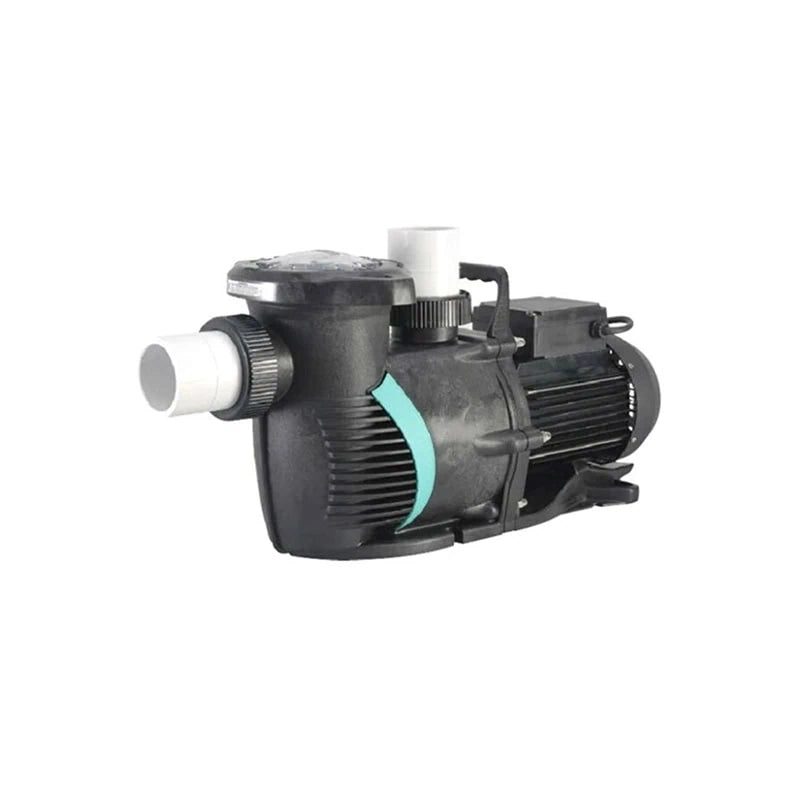
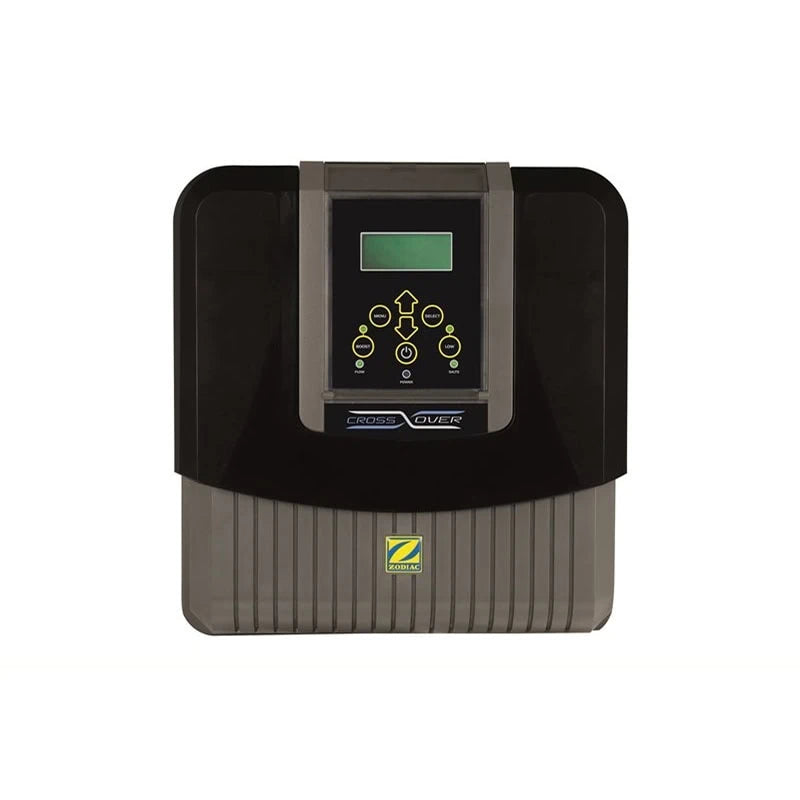
You can explore modern, energy-efficient options in our range of heat pumps, which are designed specifically for residential pools.
2. Gas Pool Heaters
How they work: Burn natural gas or LPG to heat water quickly.
Why people choose them:
- Heats fast
- Works regardless of air temperature
Downsides:
- High running costs
- Less efficient for constant heating
Best for: Occasional swimmers who want quick heat on demand.
If that’s your use case, a quality gas heater makes far more sense than running a heat pump intermittently.
3. Solar Pool Heating
How it works: Solar collectors heat water using the sun.
Why people choose it:
- Extremely cheap to run
- Environmentally friendly
Downsides:
- Dependent on weather
- Limited temperature control
Best for: Warm climates and budget-conscious owners.
4. Electric Resistance Heaters
How they work: Electric elements heat the water directly.
Why they exist:
-
Simple installation
Downsides:
- Expensive to run
- Inefficient for large pools
Best for: Small pools or spas only.
Comparing Pool Heating Methods
Here’s the straight-up comparison most people wish they saw earlier:
|
Heating Method |
Install Cost |
Running Cost |
Heating Speed |
Best Use Case |
|
Heat Pump |
Medium |
Low |
Slow–Medium |
Regular swimming |
|
Gas Heater |
Medium |
High |
Fast |
On-demand heating |
|
Solar |
Low–Medium |
Very Low |
Slow |
Warm climates |
|
Electric |
Low |
Very High |
Fast |
Small pools |
If you’re comparing systems broadly, it helps to look at the full range of pool heaters available — not just price, but efficiency, climate suitability, and how you actually use the pool.

Tips for Heating Your Pool Efficiently
These tips matter more than the heater brand:
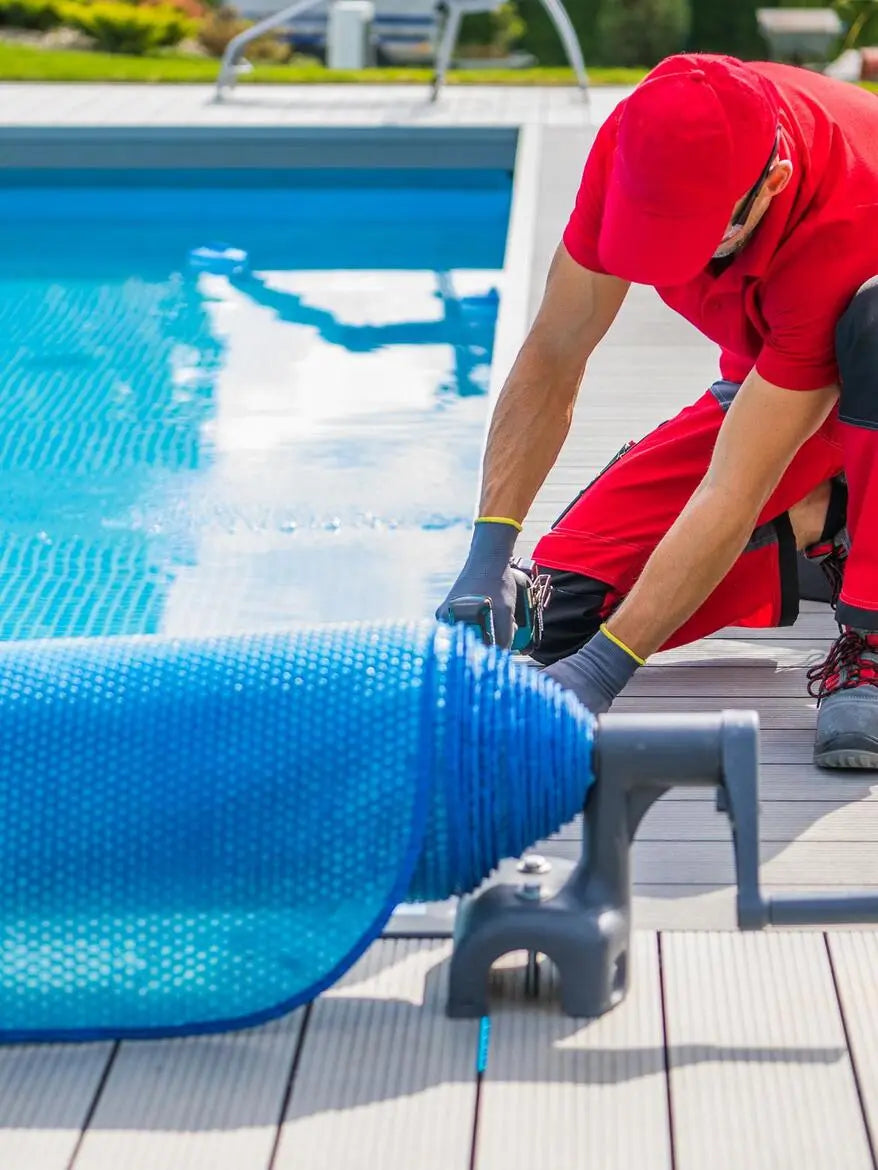
- Use a pool cover (seriously — this is non-negotiable)
- Heat gradually, not in bursts
- Avoid heating overnight without a cover
- Set realistic temperatures (26–28°C is ideal)
- Keep water chemistry balanced (scale reduces heater efficiency)
- Size the heater correctly — bigger isn’t always better
💡Expert opinion: Most “inefficient pool heating” complaints are actually “no pool cover” problems.
Maintaining Pool Heaters for Maximum Efficiency
A neglected heater costs more and lasts less.
Basic maintenance:
- Clean filters regularly
- Check water chemistry (especially calcium hardness)
- Inspect connections annually
- Flush heat exchangers when needed
- Keep airflow clear for heat pumps
💡Pro tip: Poor water balance can destroy a heater faster than heavy use.
How Much Does It Cost to Heat a Swimming Pool?
Costs vary wildly, but here’s a realistic ballpark for Australia:
- Heat pump: $1–$4 per day (with cover)
- Gas heater: $5–$15 per day
- Solar heating: $0–$1 per day
- Electric heater: $10+ per day
Actual costs depend on:
- Pool size
- Climate
- Usage habits
- Cover usage
💡Reality check: Heating without a cover can double or triple these numbers.
How to Heat Your Swimming Pool: Choose Your Method
Heating your pool is about making the pool usable. The smartest setups balance efficient heating, heat retention, and realistic expectations.
Choose a system that matches how you swim, protect the heat you create, and your pool becomes something you enjoy — not something you argue with the power bill about.
If you’re planning upgrades, building new, or rethinking how your pool works as a whole, heating decisions are best made alongside circulation, filtration, and pool design — not as an afterthought.

Pool Tools Team
We’re here to share expert advice, practical tips, and clear guides to help you choose, build, and maintain your pool with confidence. From fibreglass shells to everyday equipment, we make pool care simple.