


How to Fix a Green Pool

A green pool is almost always algae caused by low effective chlorine, poor filtration, or unbalanced pH. Fix it by adjusting pH to 7.2–7.4, brushing thoroughly, shocking properly, and running the filter continuously until the water clears. Once clear, consistent testing and filtration prevent it from coming back.
A green pool always feels personal. You look at it and think, I swear this was blue last week. One heatwave, one skipped test, one tired weekend — and suddenly you’re the proud owner of a backyard swamp.
Here’s the truth: A green pool isn’t a disaster. It’s just algae doing what algae does when chlorine, circulation, or filtration fall asleep for a moment.
Fix it properly once, and you’ll understand how to stop it happening again.
Key Takeaways
- Most green pools are caused by algae, not dirt or staining
- Always balance pH before shocking — chlorine works best around 7.2–7.4
- Brushing breaks algae’s grip and speeds up cleanup
- One strong shock works better than multiple weak ones
- Continuous filtration (24–48 hours) is critical during cleanup
- Backwash or clean filters as soon as pressure rises
- Cloudy green water = algae; clear green water may be metals
- Green pools return when cleanup is stopped too early
- Prevention is about consistency, not over-treating
In older pools, algae problems can also be worsened by worn surfaces or poor circulation around steps and corners — something we see often in ageing shells. Newer pool shells are designed with smoother surfaces and better flow paths, which makes algae far less likely to take hold in the first place.
How to Fix a Green Pool: Step-by-Step Guide
This is the method pool pros actually use — not the “dump random chemicals and hope” approach.
1. Confirm It’s Algae (Not Metal Staining)
Most green pools are algae. But if the water is clear green, not cloudy, you might be dealing with metals (copper/iron), not algae.
- Cloudy green → algae
- Clear green → test for metals before shocking
If it’s cloudy, keep going.
2. Test and Balance pH First (This Step Is Non-Negotiable)
Before adding chlorine, fix the pH.
- Ideal pH for shocking: 7.2–7.4
- High pH = chlorine works poorly
- Low pH = chlorine burns off too fast
Expert insight: Most “shock didn’t work” stories start with skipping this step.
3. Brush Everything (Yes, Everything)
Algae hides behind biofilm. Brushing breaks its grip.
- Walls
- Floor
- Steps
- Corners
- Around lights and returns
This step alone can cut cleanup time in half.
4. Shock the Pool Properly
This is not a light sprinkle situation.
- Use liquid chlorine or calcium hypochlorite
- Dose based on pool volume
- Aim for a strong, sustained chlorine level
💡Pro rule: Shock once properly, not three times weakly.
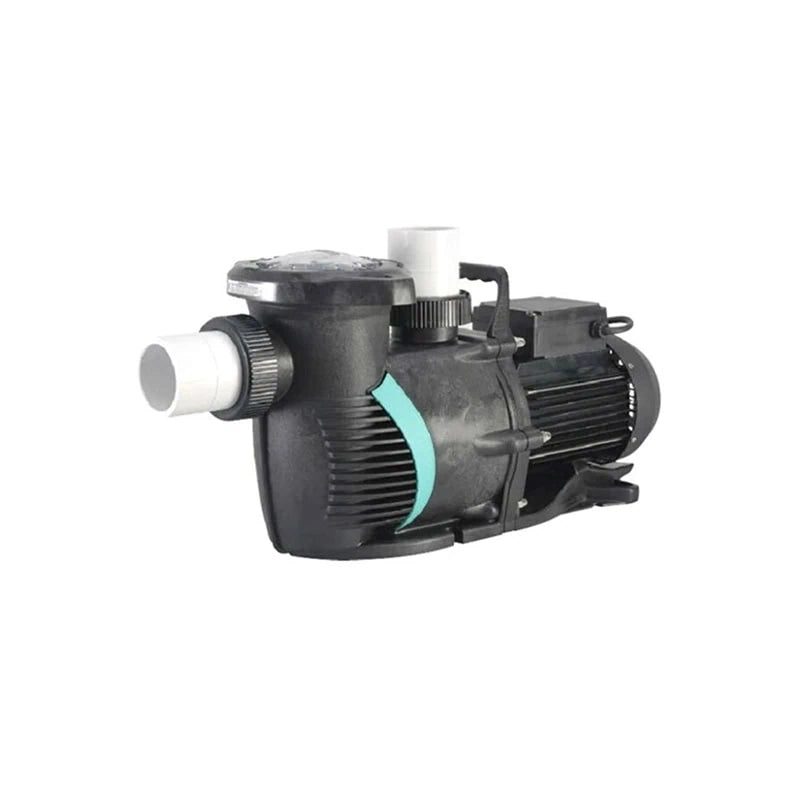
5. Run the Filter — A Lot
After shocking:
- Run the pump 24–48 hours continuously
- Backwash or clean the filter as pressure rises
- Expect the water to go from green → cloudy blue → clear
If you stop filtering too early, algae wins the rematch.
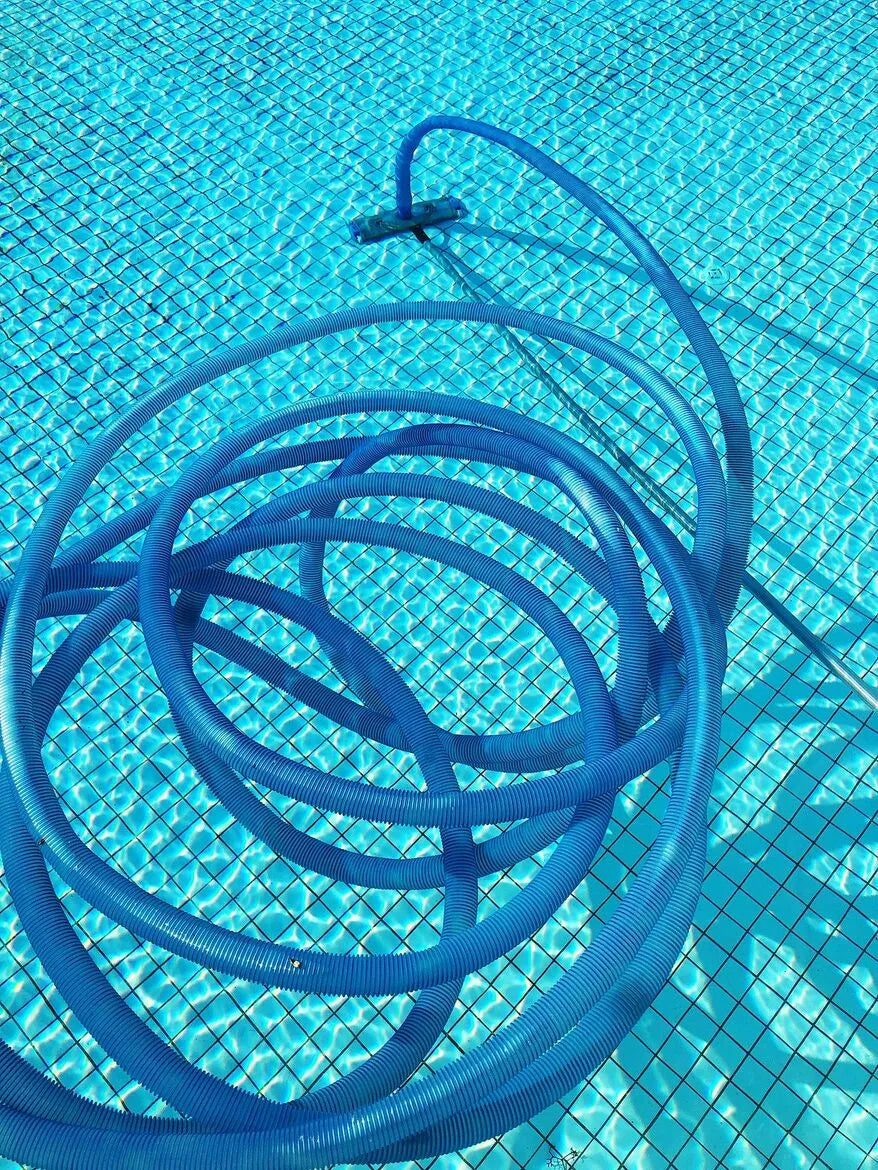
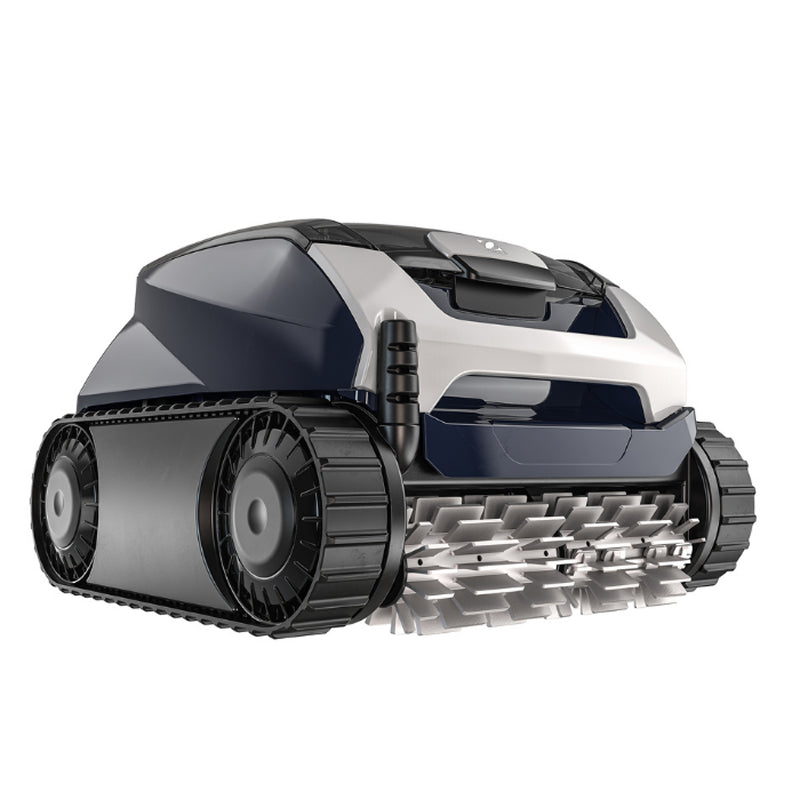
6. Vacuum to Waste (If Possible)
Dead algae settles on the floor.
- Vacuuming to waste removes it completely
- Vacuuming through the filter works — just slower
Be patient. This is the cleanup phase.

Troubleshooting Stubborn Green Pools
If your pool is still green after doing “everything”, one of these is usually the culprit.
Chlorine Is Getting Destroyed
- Stabiliser (CYA) too high
- Sun burning chlorine faster than expected
- Organic load too heavy
💡Fix: Test CYA and adjust shock level accordingly.
Filtration Isn’t Keeping Up
- Dirty filter
- Wrong filter run time
- Poor circulation
💡Fix: Clean/backwash the filter and extend run time.
Algae Is Embedded in Biofilm
This is common in neglected pools.
💡Fix: Brush again, shock again, and maintain chlorine overnight.
You’re Fighting Metals, Not Algae
If water stays green but clear.
💡Fix: Stop shocking. Test for metals and use a sequestrant.
Important Tips for Faster and Long-Lasting Results
These are the small things that make a big difference.
- Test water daily during cleanup
- Maintain shock level until water is fully clear
- Don’t add algaecide unless chlorine is working first
- Don’t floc unless you understand filtration limitations
- Clean skimmer baskets and pump baskets daily
- Backwash or clean filters as soon as pressure rises
💡Expert opinion: Most green pools come back because people stop one step too early.
How to Prevent a Green Pool in the Future
Once you’ve cleared it, prevention is easy — if you’re consistent.
- Keep chlorine in range at all times
- Maintain pH between 7.2–7.6
- Run the pump long enough in hot weather
- Brush weekly (even when it looks clean)
- Clean or backwash filters based on pressure, not calendar
- After storms or heatwaves, test immediately
💡Reality check: Algae doesn’t appear overnight — it takes advantage of gaps.

How to Fix a Green Pool and Stop It Coming Back
A green pool isn’t a failure — it’s feedback.
It means chlorine dropped, circulation slowed, or filtration fell behind for a moment. Fix those three things properly, and the water will recover faster than most people expect.
Do it right once, and next time you’ll catch the problem before the pool turns green.
If you ever feel like you’re guessing, you probably are — and that’s when good testing, good filtration, and the right chemicals make all the difference.

Pool Tools Team
We’re here to share expert advice, practical tips, and clear guides to help you choose, build, and maintain your pool with confidence. From fibreglass shells to everyday equipment, we make pool care simple.