


How to Change a Pool Pump Motor

Changing a pool pump motor involves removing the old motor, replacing the mechanical seal, installing a compatible new motor, and reconnecting wiring safely. It is a cost-effective repair if the pump housing is still in good condition. If the system is ageing or inefficient, replacing the entire pump may be the better long-term solution.
Replacing just the motor on a pool pump sounds like the smart middle ground. You save money, keep the existing housing, and avoid a full system swap. That is true in the right situation.
In the wrong situation, it becomes a short-term fix that leads to another failure six months later.
The key is understanding when a motor replacement makes sense, and when it is just delaying the inevitable.
Key Takeaways
- Replacing a pump motor is a targeted repair, not always the best long-term fix
- Always confirm the issue is the motor, not the housing or plumbing
- Motor compatibility is critical, especially frame size, voltage, and shaft type
- Replace the mechanical seal every time to prevent leaks
- Most post-install issues come from poor sealing, misalignment, or wiring errors
- Take extra care during reassembly, especially with the impeller and seals
- If the pump body is worn or inefficient, a full replacement is often smarter
- A properly installed motor should run quietly, smoothly, and without leaks
What Changing a Pool Pump Motor Actually Involves
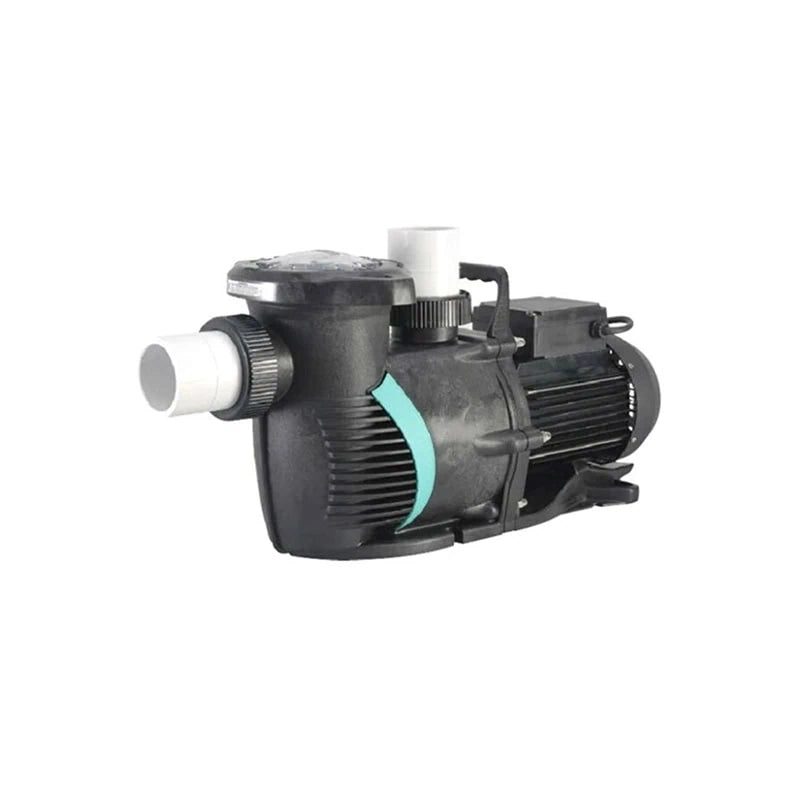
Changing a pool pump motor involves separating the motor from the pump housing, transferring internal components, installing a new motor, and reconnecting electrical wiring safely. It is more technical than a full pump swap because you are working inside the assembly.
Unlike replacing the whole unit, you will be dealing with:
- The impeller
- The mechanical seal
- The motor shaft
- Electrical connections
This is where precision matters more than speed.
💡If your pump is older, upgrading to a complete unit from a modern range of pool pumps often delivers better long-term value.
When You Should Replace Only the Pool Pump Motor
You should replace only the pool pump motor when the housing is in good condition, but the motor has failed or become inefficient. If the rest of the pump is worn, replacing the motor alone may not be worth it.
Good candidates for motor replacement:
- Loud or grinding motor noise
- Motor not starting, but housing intact
- Electrical failure with no structural damage
When to avoid it:
- Cracked pump housing
- Leaks around fittings
- Repeated past failures
💡 Expert insight: If the pump body looks tired, the motor is not the only problem.
How to Change a Pool Pump Motor: Compatibility
Pool pump motors must match frame size, shaft type, voltage, and mounting configuration to work correctly. Choosing the wrong motor leads to poor performance or complete incompatibility.
Key specs to match:
|
Spec |
Why It Matters |
|
Frame size (e.g. 48Y, 56Y) |
Determines mounting fit |
|
Horsepower (HP) |
Controls flow capability |
|
Voltage (single or dual) |
Electrical compatibility |
|
Shaft type |
Must match impeller |
|
Speed type |
Single or variable |
Do not guess here. Always check the old motor label before ordering.

Tools and Parts You’ll Need
Before starting, make sure you have everything ready because stopping mid-install increases the risk of errors.
Tools:
- Screwdrivers
- Socket set
- Adjustable wrench
- Rubber mallet
- Multimeter (for safety checks)
Parts:
- Replacement motor
- Mechanical seal kit
- New gaskets or o-rings
- Shaft seal lubricant
💡 Pro tip: Always replace the mechanical seal when changing the motor. Reusing the old one is one of the most common causes of leaks.
8 Step Guide: How to Change a Pool Pump Motor
To change a pool pump motor, you need to disconnect the pump, separate the motor assembly, replace internal components, and reassemble everything carefully.
1. Turn off power completely
Use the breaker, not just the timer.
2. Disconnect plumbing and remove pump
Clear access makes everything easier.
3. Separate motor from pump housing
Remove bolts and carefully pull apart.
4. Remove the impeller
Hold the motor shaft and unscrew the impeller.
5. Replace the mechanical seal
Install new seal components correctly and cleanly.
6. Attach new motor
Reconnect housing and ensure alignment.
7. Reassemble pump
Tighten bolts evenly to avoid stress.
8. Reconnect wiring and test
Prime the pump and observe carefully.
💡 Expert insight: Most failures happen during reassembly, not removal.
Wiring a Pool Pump Motor (Safety Focus)
Pool pump motor wiring must match voltage and terminal configuration exactly to avoid damage or safety hazards. Incorrect wiring can destroy the motor instantly or create serious risk.
Basic checks:
- Confirm voltage setting (110V or 240V)
- Match wiring diagram on motor plate
- Secure all terminals tightly
- Ensure proper grounding
💡If you are unsure at any point, this is where professional help is worth it.
Common Problems After Replacing a Pool Pump Motor
After replacing a motor, issues usually relate to sealing, alignment, or wiring rather than the motor itself.
|
Problem |
Likely Cause |
Fix |
|
Water leaking |
Incorrect seal install |
Reinstall seal |
|
Pump not priming |
Air leak |
Check o-rings and lid |
|
Motor hums but won’t start |
Wiring issue or capacitor |
Check connections |
|
Weak flow |
Wrong motor sizing |
Reassess specs |
|
Overheating |
Poor ventilation |
Improve airflow |
Biggest Mistakes to Avoid When Replacing a Pool Pump Motor
Avoiding these mistakes will save time and prevent repeat work.
- Installing the wrong motor size
- Reusing old mechanical seals
- Misaligning the impeller
- Incorrect wiring
- Over-tightening bolts
- Skipping cleaning during reassembly
💡 Pro rule: Take your time with seals and alignment. That is where most problems begin.

Pool Pump Motor Replacement vs Full Pump Replacement
Replacing a motor is cheaper upfront, but not always the better long-term decision. Full pump replacement can improve efficiency and reliability if the system is ageing.
|
Factor |
Motor Replacement |
Full Pump Replacement |
|
Cost |
Lower upfront |
Higher upfront |
|
Efficiency |
Same or slightly improved |
Often significantly better |
|
Lifespan |
Limited by old parts |
Full system reset |
|
Complexity |
More technical |
Simpler install |
How to Change a Pool Pump Motor: What Actually Matters
The job itself is mechanical. The decision behind it is strategic.
Before replacing the motor, take a minute to look at the entire system. If the housing is worn, if the pump has been unreliable, or if energy costs are creeping up, replacing the whole unit may save you more in the long run.
If the pump body is solid and the failure is clearly motor-related, then a motor swap is a smart, cost-effective repair.
The difference comes down to one question - Are you fixing a part, or improving the system?
FAQs About How to Change a Pool Pump Motor
Can I replace just the motor on my pool pump?
Yes, you can replace just the motor if the pump housing and internal components are still in good condition. It is a common repair for mechanical or electrical motor failure.
How much does it cost to replace a pool pump motor?
Pool pump motor replacement typically costs less than a full pump replacement. Costs vary depending on motor type, brand, and labour if hiring a professional.
How to tell if your pool pump motor is bad?
Signs include loud grinding noise, failure to start, overheating, or tripping breakers. If the pump housing is intact but the motor fails, the motor is likely the issue.
What's the average lifespan of a pool pump motor?
A pool pump motor typically lasts between 5 and 10 years depending on usage, maintenance, and environmental conditions. Proper care can extend its lifespan significantly.

Pool Tools Team
We’re here to share expert advice, practical tips, and clear guides to help you choose, build, and maintain your pool with confidence. From fibreglass shells to everyday equipment, we make pool care simple.