




How to Change a Pool Pump

Changing a pool pump involves disconnecting the old unit, installing the new one correctly, and ensuring proper sealing, wiring, and priming. Most homeowners can handle a like-for-like replacement, but success depends on correct sizing, tight fittings, and removing air from the system. If done properly, a new pump improves efficiency, flow, and long-term reliability.
Replacing a pool pump feels like one of those jobs that sits right on the edge between “I can do this myself” and “this could go very wrong”. The truth is, both are possible.
A pump swap is not technically complicated, but it is unforgiving if you rush or guess. One wrong fitting, one loose seal, or one poor sizing decision can leave you with leaks, poor flow, or a system that costs more to run than the one you just removed.
If you approach it methodically, it becomes a straightforward upgrade that improves efficiency and reliability.
Key Takeaways
- Replacing a pool pump is manageable if you follow a methodical, step-by-step approach
- Always confirm the pump actually needs replacing before starting
- Turn off power at the breaker, not just the timer
- Proper sealing and tight fittings are critical to avoid leaks and air issues
- Most post-install problems come from air leaks or incorrect connections
- Pump sizing matters more than simply matching horsepower
- If repair costs are high, replacement is usually the better long-term choice
- Always prime the pump properly before running it
- A clean filter and balanced system help your new pump perform efficiently
- Upgrading to modern pool pumps can reduce energy costs and improve circulation
Do You Actually Need to Replace Your Pool Pump?
You should replace your pool pump when it no longer maintains proper flow, becomes unreliable, or costs more to run than a modern alternative. Not every issue requires replacement, so confirming the problem first is critical.
Common signs you need a new pump:
- Frequent loss of prime
- Loud or grinding motor noise
- Cracked housing or leaks
- Rising electricity costs with no clear reason
- Poor circulation even after cleaning filters
💡Expert insight: Many pumps get replaced when the real issue is a blocked filter or air leak. Always confirm before committing.
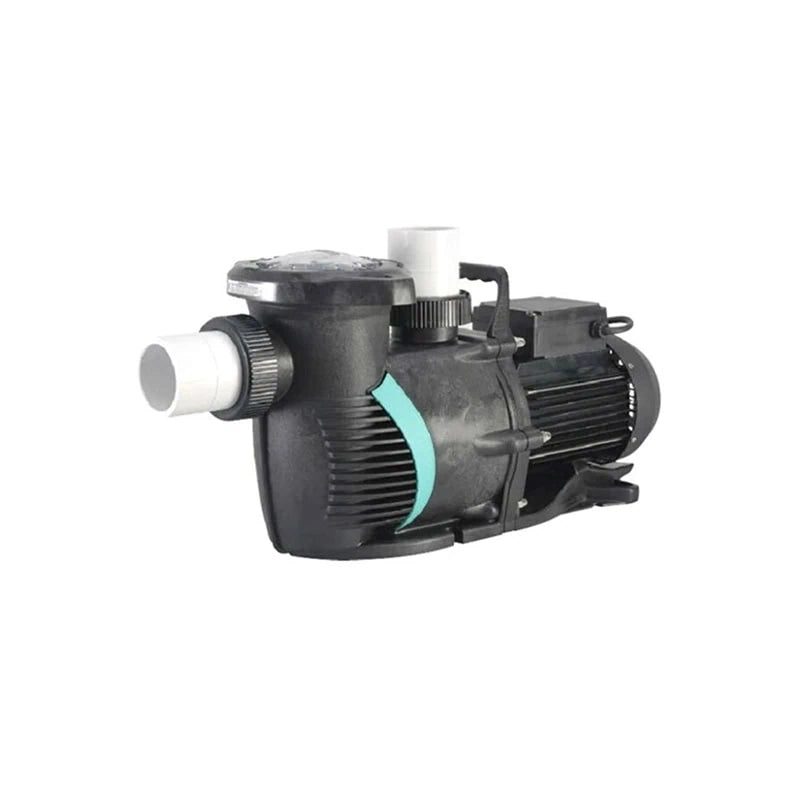
If your pump is struggling with flow, making noise, or costing more to run than it should, it may be time to upgrade rather than repair. You can compare modern, energy-efficient options in our range of pool pumps, designed to deliver better performance with lower running costs.
Can You Change a Pool Pump Yourself?
Yes, you can change a pool pump yourself if you are comfortable with basic plumbing and electrical disconnection. The job is manageable for most homeowners, but only if you follow proper safety and installation steps.
You should consider professional help if:
- Electrical wiring needs modification
- Plumbing layout is complex
- You are upgrading to a different pump type
If it is a simple like-for-like replacement, most people can handle it with patience.
Tools and Parts You’ll Need Before Starting
Before changing a pool pump, gather the correct tools and fittings to avoid stopping halfway through the job. Preparation is what separates a smooth install from a frustrating one.
Basic tools:
- Screwdrivers
- Adjustable wrench
- PVC cutter or hacksaw
- Teflon tape
- Silicone lubricant for o-rings
Parts you may need:
- New unions or fittings
- Replacement valves if worn
- Correct pipe connectors
- Mounting base if upgrading size
💡Pro tip: Never assume the new pump will match the old fittings exactly. It rarely does.

8 Step-by-Step: How to Change a Pool Pump
To change a pool pump, you need to safely disconnect the old unit, prepare the plumbing connections, install the new pump, and test the system for leaks and proper flow.
1. Turn off power completely
Switch off at the breaker, not just the timer.
2. Shut off valves and drain the system
Prevent water from flowing back into the work area.
3. Disconnect plumbing
Remove unions or cut pipes if necessary.
4. Disconnect electrical wiring
Take a photo before disconnecting to avoid confusion later.
5. Remove the old pump
Lift it out and clean the area.
6. Position the new pump
Align it carefully with existing pipework.
7. Connect plumbing and fittings
Use Teflon tape and ensure tight seals.
8. Reconnect power and test
Prime the pump, start it, and check for leaks or air bubbles.
💡Expert insight: Most installation problems show up in the first five minutes. Watch closely during startup.
Common Problems After Replacing a Pool Pump (And Fixes)
After replacing a pool pump, issues usually come from air leaks, incorrect connections, or mismatched sizing. Most are fixable without redoing the entire installation.
|
Problem |
Likely Cause |
Fix |
|
Pump won’t prime |
Air leak or loose lid |
Check seals and fittings |
|
Weak flow |
Blocked filter or wrong sizing |
Clean system or reassess pump |
|
Loud noise |
Air in system or misalignment |
Re-prime and check base |
|
Leaks at joints |
Loose fittings |
Retighten or reseal |
|
High energy use |
Oversized pump |
Adjust runtime or upgrade |
Biggest Mistakes to Avoid When Changing a Pool Pump
Avoiding a few key mistakes will save you time, money, and frustration.
- Choosing the wrong pump size
- Ignoring pipe compatibility
- Skipping seal checks
- Not priming the pump properly
- Running the pump dry during testing
- Over-tightening fittings and cracking plastic
💡Pro rule: Precision matters more than speed in this job.

Replace or Repair? How to Diagnose Your Pool Pump Problem
You should repair a pool pump if the issue is limited to seals, bearings, or electrical components. You should replace it if the housing is damaged or efficiency has dropped significantly.
|
Issue |
Repair or Replace |
|
Worn seals |
Repair |
|
Motor noise |
Often repair |
|
Cracked housing |
Replace |
|
High energy usage |
Replace |
|
Repeated failures |
Replace |
If repair costs approach half the price of a new pump, replacement is usually the smarter move.
Pro Tips to Make Your New Pool Pump Last Longer
Extending pump life comes down to consistent maintenance and proper system setup.
- Keep filters clean to reduce strain
- Maintain correct water chemistry
- Avoid running the pump dry
- Check seals regularly
- Use appropriate runtime settings
- Ensure proper ventilation around the motor
Modern pool pumps are designed for efficiency, but even the best unit will fail early if the system around it is neglected.
How to Change a Pool Pump: What Actually Matters
The physical swap is the easy part. The decisions around it are what matter.
Take ten extra minutes to check your sizing, fittings, and setup before installing. That small pause can save you months of dealing with noise, inefficiency, or poor water flow.
If your old pump struggled, do not just replace it. Improve the system while you are there. Clean the filter, check valves, confirm plumbing, and make sure everything supports the new unit.
That is how a simple replacement turns into a real upgrade.
FAQs About How to Change a Pool Pump
How long does it take to replace a pool pump?
Replacing a pool pump typically takes 1 to 3 hours for a straightforward swap. More complex installations may take longer if plumbing or electrical adjustments are required.
Can I replace just the motor instead of the whole pump?
Yes, replacing just the motor is possible if the housing is still in good condition. However, full replacements are often more efficient and reliable long-term.
Do I need the same horsepower pump?
No, you do not always need the same horsepower. Proper sizing depends on your pool’s flow requirements, not just matching the old unit.
Can I upgrade to a variable-speed pump without changing pipes?
Yes, in most cases you can upgrade without changing pipes. Compatibility depends on flow requirements and existing plumbing design.
What happens if I install the wrong pump size?
Installing the wrong size can lead to poor circulation, higher energy costs, or system damage. Correct sizing is critical for performance and efficiency.

Pool Tools Team
We’re here to share expert advice, practical tips, and clear guides to help you choose, build, and maintain your pool with confidence. From fibreglass shells to everyday equipment, we make pool care simple.