




How Much Power Does a Pool Pump Use

A pool pump typically uses between 4 and 20 kWh per day depending on its size, type, and runtime. Most of the cost comes from how long you run it, not just the pump itself. Reducing runtime, keeping filters clean, and switching to a variable-speed pump can significantly lower energy use and monthly bills.
Most pool owners do not notice the pump until the electricity bill arrives. Then suddenly it becomes the most interesting piece of equipment in the backyard.
A pool pump runs every day, often for hours, quietly doing its job. That also means it quietly consumes more energy than most people expect. The difference between a well-optimised system and a poorly set one can easily double your running cost.
Let’s break it down in a way that actually helps you control it.
Key Takeaways
- Most pool pumps use 0.75 kW to 2.5 kW per hour
- Daily consumption typically ranges from 4 to 20 kWh
- Monthly costs can vary from $30 to $180+ depending on usage
- Runtime has the biggest impact on electricity use, more than pump size alone
- Variable-speed pumps can reduce energy costs by 50 to 80 percent
- Dirty filters and poor circulation increase energy consumption
- Running the pump longer does not always mean better water quality
- Most efficient pools operate around 6 to 10 kWh per day
- Small adjustments like cleaning filters and reducing runtime can cut costs quickly
- Upgrading to modern pool pumps can deliver long-term savings
Quick Answer: How Much Electricity Does a Pool Pump Use?
A typical pool pump uses between 0.75 kW and 2.5 kW per hour depending on size and type. Running 6 to 8 hours per day, this equals roughly 4 to 20 kWh daily.
In practical terms, most households spend between $1 and $6 per day on pool pump electricity. The exact number depends more on runtime and pump type than anything else.
What Does “Power Usage” Mean for a Pool Pump?
Pool pump power usage refers to how much electricity the motor consumes while running, measured in kilowatts and kilowatt-hours. It is determined by motor size, efficiency, and how long the pump operates.
A larger pump does not always mean higher efficiency. In fact, oversized pumps often waste energy because they move more water than necessary for the system.
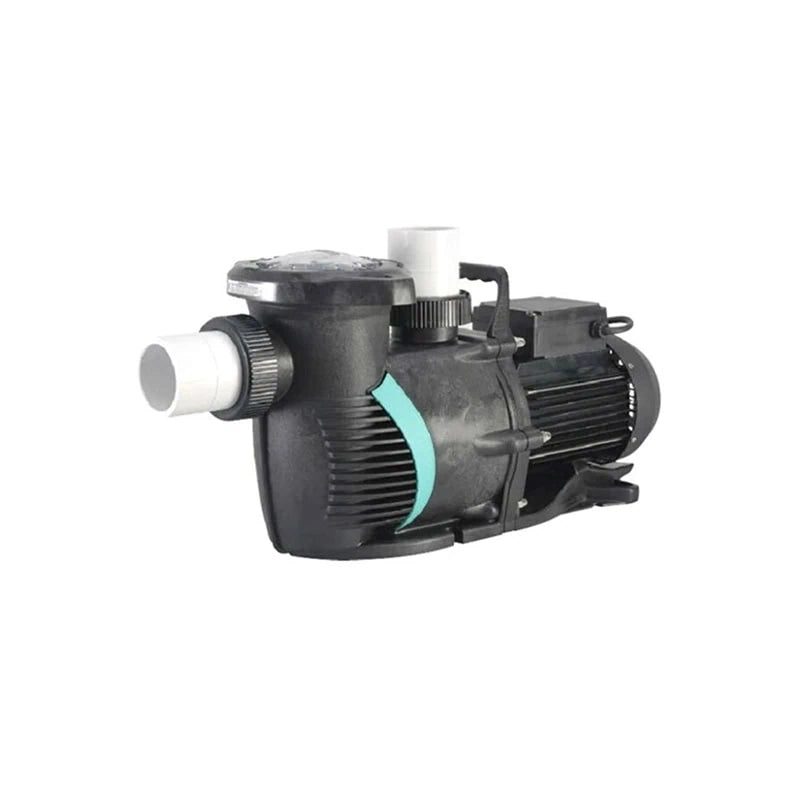
If your pump is older or running at full speed all the time, upgrading to modern pool pumps can significantly reduce energy consumption while maintaining better circulation.
How Much Power Does a Pool Pump Use Per Day, Month, and Year?
Pool pump energy use scales directly with runtime, which is why daily habits matter more than pump size alone.
|
Time Period |
Typical Usage |
Example Cost (AUD) |
|
Per Day |
4 to 20 kWh |
$1 to $6 |
|
Per Month |
120 to 600 kWh |
$30 to $180 |
|
Per Year |
1,500 to 7,000 kWh |
$400 to $2,000+ |
These numbers vary based on climate, pool size, and how efficiently the system is set up.
💡Expert insight: The biggest cost driver is not the pump itself, but how long you run it.
How Much Power Does a Pool Pump Use by Type?
Different pump types use dramatically different amounts of energy, even if they move similar volumes of water.
|
Pump Type |
Power Usage |
Efficiency |
Typical Cost Impact |
|
Single-speed |
High |
Low |
Most expensive |
|
Dual-speed |
Medium |
Moderate |
Mid-range |
|
Variable-speed |
Low |
High |
Most efficient |
Single-speed pumps run at full power all the time. Variable-speed pumps adjust output, which reduces energy use significantly.

Pool Pump Power Usage Calculator (Step-by-Step)
You can estimate your own usage with a simple formula.
Step 1: Find pump wattage
Check the label or manual. Example: 1.5 kW
Step 2: Multiply by daily runtime
1.5 kW × 8 hours = 12 kWh per day
Step 3: Multiply by electricity rate
12 kWh × $0.30 = $3.60 per day
This gives you a realistic baseline for your system.
What Affects How Much Power a Pool Pump Uses?
Several factors influence energy consumption more than people realise.
- Pump size and motor efficiency
- Daily runtime
- Filter condition and cleanliness
- Plumbing design and resistance
- Pool size and water volume
- Use of heaters or additional features
💡Expert insight: Dirty filters and poor plumbing increase resistance, which makes the pump work harder and consume more energy.
How to Reduce Pool Pump Energy Costs
Lowering your power bill does not require major upgrades. Small adjustments make a noticeable difference.
- Reduce runtime to what your pool actually needs
- Clean filters regularly
- Use a pool cover to reduce debris and filtration demand
- Run the pump during off-peak electricity hours
- Upgrade to a variable-speed pump if possible
If you are considering upgrading, modern pool pumps are designed to deliver strong circulation with significantly lower energy consumption.
Single-Speed vs Variable-Speed (Energy Comparison)
Variable-speed pumps use less energy because they move water more slowly but more efficiently over longer periods.
|
Feature |
Single-Speed |
Variable-Speed |
|
Speed control |
No |
Yes |
|
Energy use |
High |
Low |
|
Noise |
Loud |
Quiet |
|
Cost over time |
High |
Low |
Running a pump slower for longer often uses less energy than running it fast for a short time.
What’s Normal? Benchmark Your Pool Pump Power Usage
Most residential pools operate efficiently at 6 to 10 kWh per day when properly configured. If your usage is significantly higher, there is usually an inefficiency somewhere.
|
Daily Usage |
Interpretation |
|
4 to 8 kWh |
Efficient system |
|
8 to 15 kWh |
Average |
|
15+ kWh |
Likely inefficient |
If you are above average, start by checking runtime and filter condition before replacing equipment.
Common Mistakes That Increase Electricity Bills
These mistakes are simple but expensive over time.
- Running the pump longer than necessary
- Using an oversized pump
- Ignoring dirty filters
- Not adjusting settings seasonally
- Running at peak electricity rates
- Assuming more circulation always equals better water quality
Pro rule: Efficiency comes from balance, not maximum power.

How Much Power Does a Pool Pump Use: What You Should Actually Do
Do not focus only on the pump. Focus on how your system runs as a whole.
Start by measuring your current usage. Reduce runtime slightly. Clean your filter. Observe the difference. Most people can cut their energy cost by 20 to 40 percent without replacing anything.
If your pump is older or single-speed, upgrading will likely pay for itself over time. But even without that, small changes today show up clearly on your next bill.
FAQs About How Much Power a Pool Pump Uses
Do pool pumps use lots of electricity?
Yes, pool pumps can use a significant amount of electricity because they run daily for several hours. However, efficient pumps and proper runtime settings can reduce consumption substantially.
Can I run a pool pump on solar power?
Yes, pool pumps can be powered by solar systems, either fully or partially. Many homeowners offset energy costs by running pumps during peak solar generation hours.
What runs up your electric bill the most?
In most pool setups, the pump is the largest ongoing energy consumer. Heating systems can exceed it, but pumps run more consistently and contribute heavily to baseline costs.
How much electricity does a pool pump use in 24 hours?
A pool pump typically uses between 4 and 20 kWh in 24 hours depending on size and runtime. Most residential pools fall closer to the middle of that range.

Pool Tools Team
We’re here to share expert advice, practical tips, and clear guides to help you choose, build, and maintain your pool with confidence. From fibreglass shells to everyday equipment, we make pool care simple.