



How Do I Prime a Pool Pump

Priming a pool pump means filling it with water so it can create proper suction and circulate the pool. If air gets into the system, the pump cannot move water effectively. To fix it, fill the pump basket with water, secure the lid, check valves, and restart. If it still fails, the issue is usually air leaks, low water level, or blocked flow.
Priming a pool pump sounds simple until it isn’t. One minute the system is running fine, the next you are staring at a clear lid full of bubbles and a pump that sounds like it is struggling for air.
What most people do at this point is start guessing. Add water, restart, hope for the best. Sometimes it works. Often it doesn’t.
Priming is not about luck. It is about removing air from the system and restoring proper water flow. Once you understand that, the whole process becomes predictable.
Key Takeaways
- Priming is about removing air and restoring water flow, not just restarting the pump
- A pump must be full of water before it can create suction
- Most priming failures are caused by air leaks, not the pump itself
- Always check water level, pump lid seal, and valve positions first
- A properly primed pump shows strong flow, stable pressure, and minimal bubbles
- If priming takes more than 2 minutes, something is wrong in the system
- For stubborn cases, using a garden hose to fill the suction line can help
- Prevent issues by maintaining water level and checking seals regularly
What Does “Priming a Pool Pump” Mean?
Priming a pool pump means filling the pump and suction line with water so it can create proper flow and circulation. Without a full column of water, the pump cannot generate suction and will only move air.
A pool pump is not designed to pull water from empty pipes. It needs water inside the system to start working. If air gets in, the pump loses its ability to move water efficiently, and sometimes completely.
When Do You Need to Prime a Pool Pump?
You need to prime a pool pump whenever air enters the system or water drains out of the suction line. This commonly happens after cleaning, maintenance, or when the water level drops too low.
Typical situations include:
|
Situation |
Why Priming Is Needed |
|
After cleaning pump basket |
Lid removed introduces air |
|
After backwashing or draining |
Water leaves suction line |
|
Low pool water level |
Skimmer pulls in air |
|
After long shutdown |
Water drains back from pipes |
|
Suction side leak |
Air continuously enters system |
💡If your pump suddenly loses pressure or fills with bubbles, priming is usually the first thing to check.
Step-by-Step: How Do I Prime a Pool Pump (Beginner-Friendly Guide)
To prime a pool pump, you need to fill the pump basket with water, remove trapped air, and restart the system with proper valve settings. The process is simple, but skipping steps is what causes failure.
1. Turn off the pump
Always start with the system completely off.
2. Open the pump lid
Remove the lid carefully and check the o-ring for debris or damage.
3. Fill the pump basket with water
Use a hose or bucket and fill it completely until water stays level.
4. Reinstall the lid tightly
Make sure the seal is clean and secure. Even a small gap will cause air leaks.
5. Check valve positions
Ensure suction valves are open and the system is set to normal filtration.
6. Turn the pump back on
Watch the pump. Water should begin moving within 30 to 90 seconds.
7. Wait and observe
Air bubbles should clear as water flow stabilises.
💡If the pump does not catch water within a minute, turn it off and repeat instead of letting it run dry.

How Long Should It Take to Prime a Pool Pump?
A pool pump should usually prime within 30 seconds to 2 minutes if everything is working correctly. Longer times indicate air leaks, blockages, or incorrect valve settings.
If priming takes longer than a few minutes, the system is struggling to hold water. That is not normal and should be investigated.
Quick Checklist: Did Your Pump Prime Successfully?
A properly primed pump will show clear signs of stable water flow and no air in the system. If any of these are missing, the pump is not fully primed.
|
Check |
What You Should See |
|
Pump basket |
Fully filled with water |
|
Air bubbles |
Minimal or none |
|
Return jets |
Strong, steady flow |
|
Pressure gauge |
Stable reading |
|
Pump sound |
Smooth, consistent |
💡If you still see bubbles or weak flow, the system is not sealed properly.
Pool Pump Won’t Prime? Use This Troubleshooting Guide
If your pool pump will not prime, the issue is almost always air entering the system or water failing to reach the pump. Fixing the cause is more important than repeating the process.
Common causes include:
- Low pool water level
- Blocked skimmer or pump basket
- Dirty filter
- Air leaks in suction line
- Loose pump lid
- Incorrect valve positions
💡Start simple. Most problems are not complicated, just overlooked.
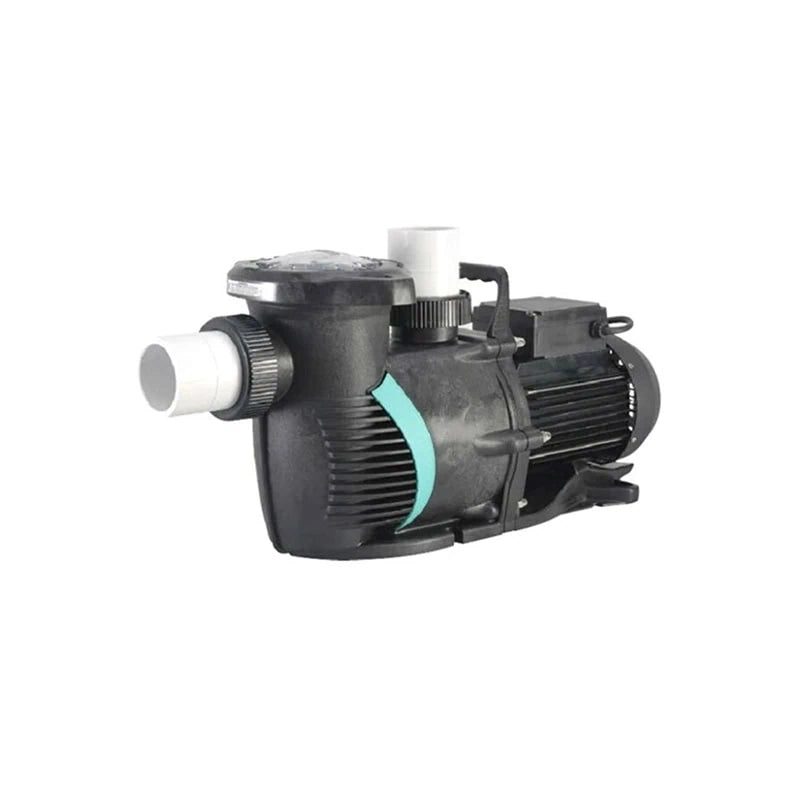
If you’ve checked for air leaks, cleaned the baskets, and set the valves correctly, but the pump still won’t prime, the issue may be internal wear. At that point, it’s worth considering whether the pump itself is the problem rather than the system around it. You can compare modern, energy-efficient pool pumps designed to maintain stable flow and suction.
The #1 Cause of Priming Failure: Air Leaks (How to Find Them)
Air leaks on the suction side are the most common reason a pool pump will not prime or loses prime repeatedly. Even a tiny gap can break the vacuum needed for proper suction.
Where to check:
- Pump lid and o-ring
- Pipe connections before the pump
- Skimmer weir and basket
- Valve seals
Signs of an air leak:
- Constant bubbles in pump basket
- Gurgling sound
- Pump losing prime after shutdown
💡Water leaks are easy to spot. Air leaks are not. If you see bubbles, air is getting in somewhere.

Advanced Fix: How Do I Prime a Stubborn Pool Pump with a Garden Hose
If your pump refuses to prime, forcing water into the suction line with a hose can help push air out and restore flow. This method is especially useful for long or elevated pipe runs.
How to do it:
- Place a garden hose into the skimmer
- Run water for a few minutes to fill the suction line
- Quickly start the pump while water is still flowing
This gives the pump the water it needs to establish suction.
Valve Settings Explained (Most Overlooked Step)
Incorrect valve positions can completely block water flow and prevent priming. Even if everything else is correct, a closed or partially closed valve will stop the system from working.
Basic rule:
- Skimmer valve open
- Main drain open or partially open
- Return lines open
- Multiport valve set to FILTER
💡If water cannot reach the pump, it cannot prime. Always check this before doing anything else.
How to Prevent Losing Prime in the Future
Keeping your pump primed is easier than fixing it after the fact. Small habits prevent most issues.
- Maintain proper water level
- Clean baskets regularly
- Check lid seals
- Avoid running pump dry
- Monitor pressure and flow
- Fix small air leaks early
💡Consistency here saves time later.
How Do I Prime a Pool Pump: What Actually Matters
Priming a pump is about understanding that pumps move water, not air. Every problem you will face comes back to that.
If your pump will not prime, stop repeating the process and look for the reason. Check water level, check for air leaks, check valve positions. Those three things solve almost every case.
Once you see it that way, priming stops being frustrating and becomes something you can fix in minutes instead of guessing for hours.
Pool Tools Team
We’re here to share expert advice, practical tips, and clear guides to help you choose, build, and maintain your pool with confidence. From fibreglass shells to everyday equipment, we make pool care simple.